
Hair Dye on Skin? Here’s How to Remove It Fast (Without Irritation)
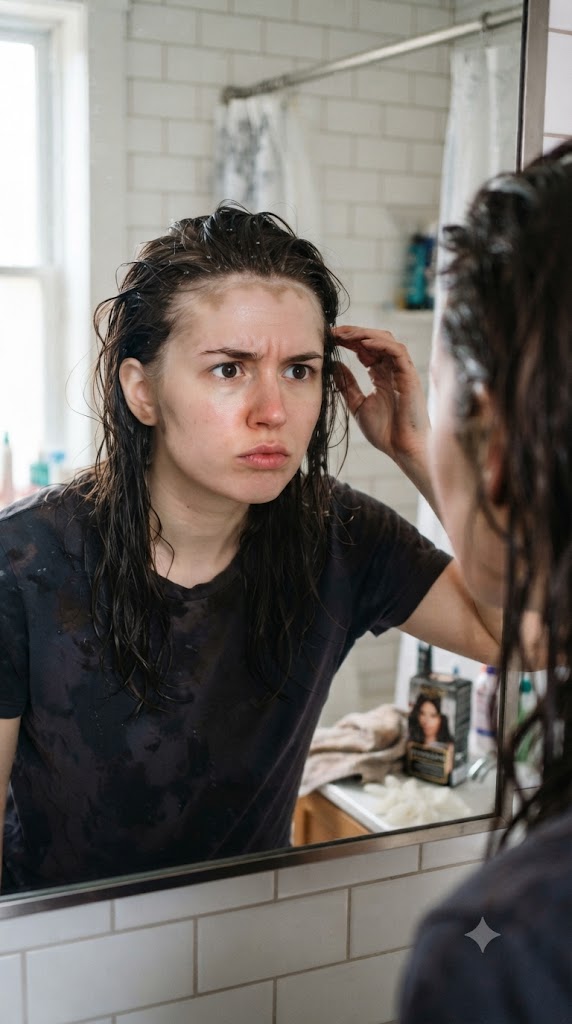
There’s nothing more satisfying than a fresh hair color moment… until you catch a glimpse of those stubborn dye stains clinging to your skin. Yep, we’ve all been there—perfectly dyed hair, but your forehead, ears, or hands are telling a very different story. 😅
The good news? You don’t need to scrub your skin raw or panic-Google last-minute fixes. Removing hair dye from skin is actually way easier than you think—if you use the right methods. From gentle at-home remedies to smart beauty hacks that won’t irritate your skin, there are plenty of ways to lift those stains safely and quickly.
In this guide, I’m breaking down exactly how to remove hair dye from your skin without causing redness, dryness, or damage—because glowing skin should always be part of your hair transformation, not a casualty of it. Let’s clean things up, shall we?
Why Hair Dye Stains Your Skin So Easily🤔
Hair dye is designed to stick—that’s literally its job. The pigments in hair dye are small enough to latch onto surfaces, and unfortunately, your skin is no exception. When dye comes into contact with your skin, it quickly binds to the outer layer (especially if it sits there for a while), leaving behind those telltale stains.
Some areas are more prone to staining than others—like your hairline, ears, neck, and hands. Why? These spots either come into direct contact with dye during application or have more texture (think tiny creases around your ears and fingers) where pigment can settle in. Hands, in particular, get hit the hardest if you skip gloves—even for a minute.
Another key factor? Skin porosity. Just like your hair, your skin can be more or less absorbent. Dry or porous skin tends to soak up dye faster, which means fresh, wet dye can sink in deeper and stain more intensely. That’s why a quick wipe-up makes all the difference (more on that next 👀).
The Golden Rule: Act Fast (But Be Gentle!)
When it comes to removing hair dye from your skin, timing is everything. Fresh stains are way EASIER to LIFT because the pigment hasn’t fully settled into your skin yet. If you catch it early, even something as simple as soap and water can do the trick—no heavy-duty hacks needed.
But here’s where most people go wrong: panic scrubbing. It’s tempting to rub like your life depends on it, but harsh scrubbing can actually make things WORSE. It irritates your skin, causes redness, and can even push the dye deeper into those tiny skin creases.
The smarter approach? Go gentle and build up if needed. Start with mild methods and only move to stronger options if the stain is stubborn.
And one more thing your future skin will thank you for: always do a quick patch test, especially if you’re using things like alcohol, baking soda, or remover products. Sensitive skin can react fast, and the goal here is stain-free skin—not irritated, angry skin.
Think of it this way: remove the dye, not your skin barrier. 💁♀️
10 Easy Ways to Remove Hair Dye from Skin (That Actually Work)
Alright, let’s get into the real fixes—the ones that actually lift dye without wrecking your skin barrier. Whether you’re dealing with a faint tint or a full-on “why is my forehead this color?” situation, there’s a method here for you.
1. Soap + Warm Water (Your First Line of Defense)
If the stain is fresh, this is your MVP. Seriously—don’t overcomplicate it.
Hair dye takes a little time to fully bind to your skin, so if you catch it early, a simple wash with soap and warm water can remove most (if not all) of it. The warmth helps loosen the pigment, while soap breaks down the residue.
How to do it right:
- Use lukewarm (not hot) water
- Apply a gentle soap or face cleanser
- Use a soft cloth or cotton pad to lightly rub the area
- Rinse and repeat if needed
💡 Pro tip: Don’t aggressively scrub—gentle circular motions work way better and won’t irritate your skin.
2. Oil-Based Removers (Baby Oil, Coconut Oil, Olive Oil)
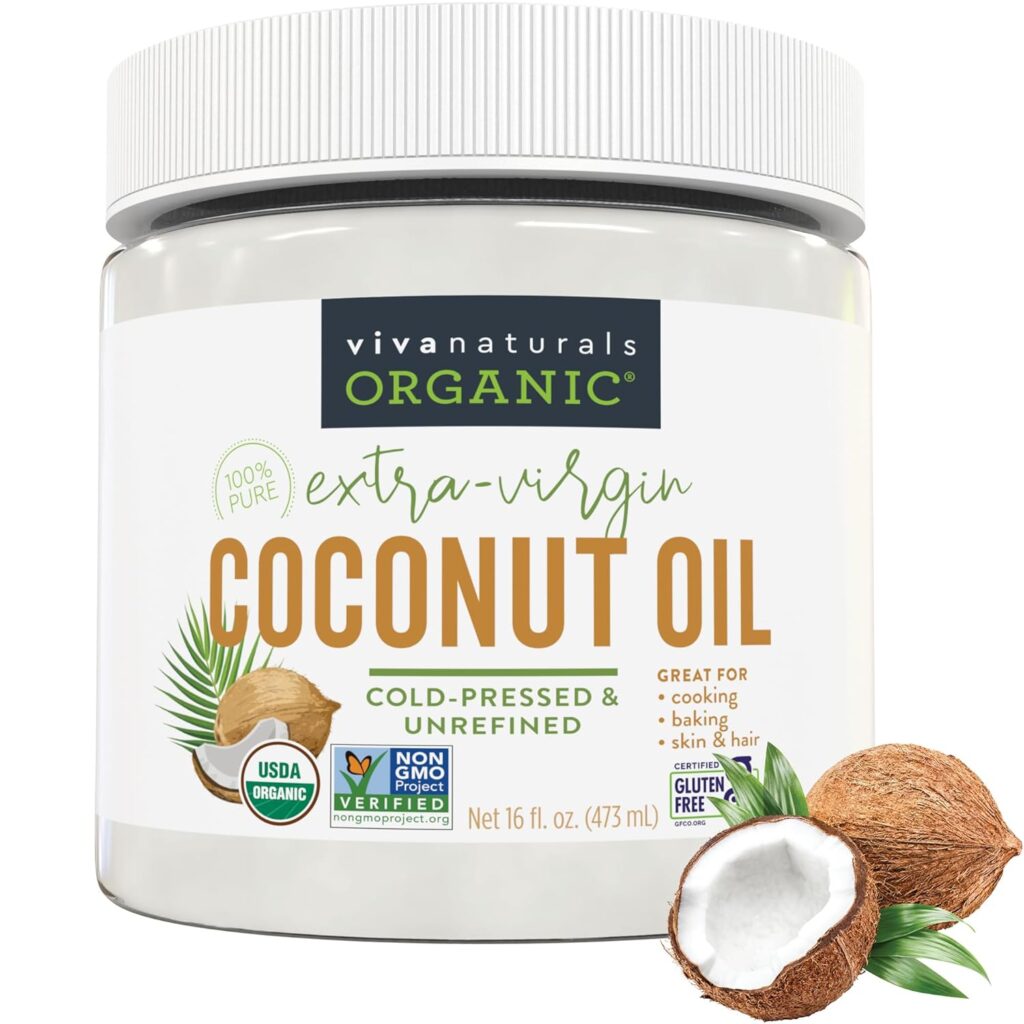
If soap didn’t fully do the job, oils are your next best friend. Hair dye pigments are often oil-soluble, which means oils can break them down without harsh friction.
This is hands-down one of the safest options for sensitive areas like your face and hairline.
How to use:
- Apply a few drops of oil to a cotton pad
- Gently massage it over the stained area
- Let it sit for 5–10 minutes (this is key!)
- Wipe away and rinse
✨ Bonus: Your skin ends up feeling soft and hydrated instead of stripped.
3. Makeup Remover or Micellar Water
If you already have micellar water in your routine, you’re in luck. It works surprisingly well on light to moderate dye stains, especially around the face.
Micellar water contains tiny cleansing molecules (micelles) that lift pigment without needing harsh rubbing—perfect for delicate skin.
Best for:
How to use:
- Soak a cotton pad
- Press it onto the stain for a few seconds
- Gently wipe away
4. Petroleum Jelly (Vaseline Hack)
This one’s a classic for a reason. Petroleum jelly doesn’t just sit on your skin—it actually helps loosen the dye while creating a protective barrier.
How it works?
It softens the stained layer of skin, making it easier to wipe the pigment away without irritation.
How to use Petroleum Jelly for Hair Dye Stains:
- Apply a generous layer over the stain
- Let it sit for 10–15 minutes
- Gently wipe off with a cloth or tissue
✨ Bonus tip: Apply it before dyeing your hair along your hairline to prevent stains in the first place. Future you will be grateful.
5. Baking Soda + Dish Soap Mix
Now we’re stepping it up a notch. This combo gives you mild exfoliation + cleansing power, which is great for stubborn stains.
- Baking soda = gentle physical exfoliant
- Dish soap = breaks down dye pigments
How to use:
- Mix equal parts baking soda and dish soap
- Apply to the stained area
- Gently rub in circular motions for 30–60 seconds
- Rinse thoroughly
⚠️ Use sparingly—this method can be slightly drying, so follow up with moisturizer.
6. Toothpaste (Non-Gel Only!)
Yep, your bathroom staple can double as a dye remover. Non-gel toothpaste contains mild abrasives that help lift stains from the skin.
Best for:
- Hands
- Fingers
- Around nails
How to use:
- Apply a small amount to the stain
- Gently rub in circular motions
- Let it sit for a minute or two
- Rinse off
🚫 Skip gel formulas—they won’t give you the same exfoliating effect.
7. Rubbing Alcohol or Hand Sanitizer
When the stain just won’t budge, alcohol-based products can help break down stubborn pigments quickly.
How to use:
- Apply a small amount to a cotton pad
- Dab (don’t rub aggressively) onto the stain
- Rinse off after
⚠️ Warning: This can be drying and slightly irritating, especially on sensitive skin. Always moisturize afterward—and avoid using it on your face if possible.
8. Nail Polish Remover (Last Resort!)
This is your “okay, nothing else worked” option. Acetone-based removers are powerful and can remove dye fast, but they’re also harsh.
Important rules:
- Never use on your face
- Use only on hands or nails
- Apply briefly, then rinse immediately
Think of this as your emergency fix—not your go-to method.
9. Commercial Hair Dye Removers
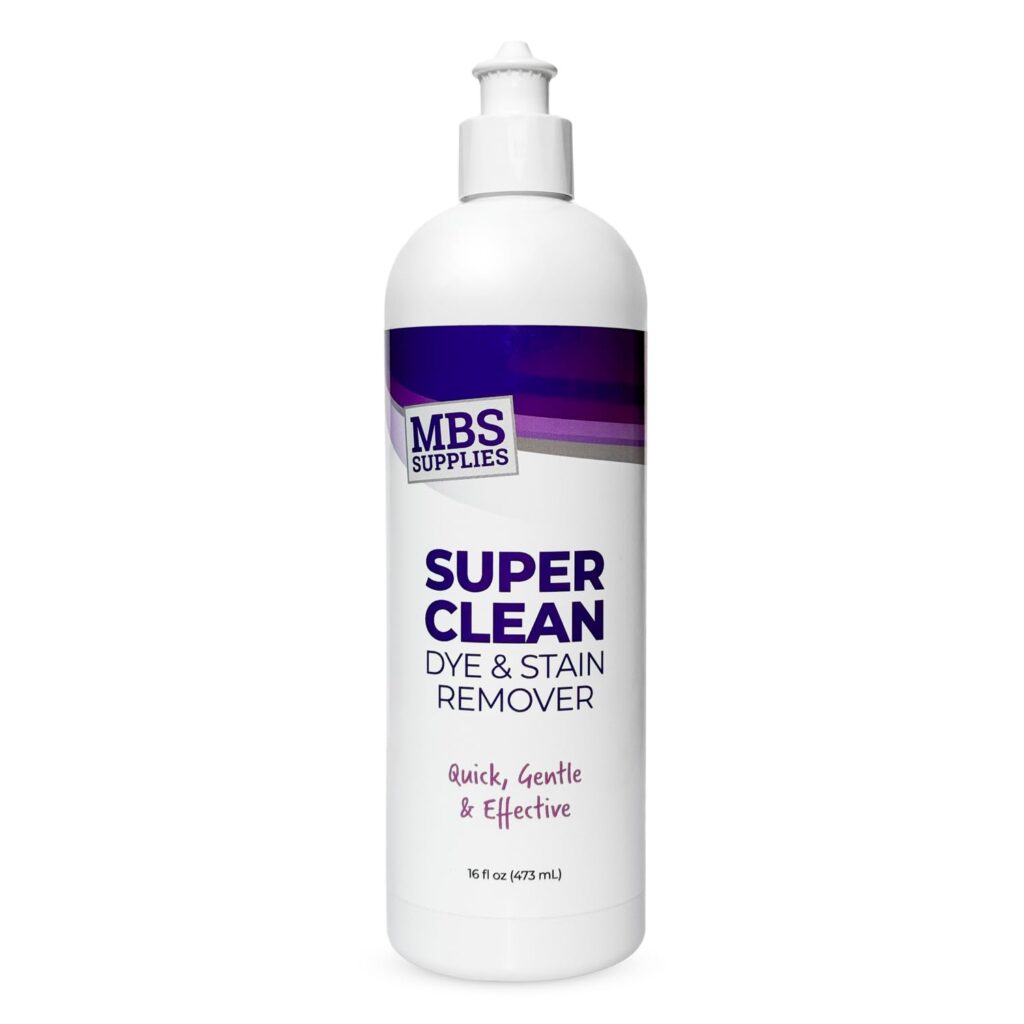
If you dye your hair regularly, investing in a professional stain remover can save you a lot of hassle.
These products are specifically designed to:
- Lift dye without damaging skin
- Work quickly on stubborn stains
- Be safer than DIY harsh methods
💡 They’re especially useful for darker dyes (like black or deep brown), which tend to stain more.
10. Repeat Washes + Time (Yes, Really!)
Sometimes the best solution is… patience.
Hair dye stains aren’t permanent—they usually fade within 1–3 days as your skin naturally renews itself. Over-washing or using too many harsh methods can actually irritate your skin and make things worse.
What to do instead:
- Stick to gentle cleansing
- Use mild methods consistently
- Let your skin do its thing
✨ Think of it this way: your skin is already working to fix the problem—you just need to support it, not fight it.
How to Remove Hair Dye from Specific Areas
Not all stains are created equal—and neither is your skin. The trick to removing hair dye without irritation is choosing the right method for the right area. What works on your hands might be way too harsh for your face (learned that the hard way? same 😅).
Let’s break it down so you can clean up smart, not aggressively.
From Face (Hairline, Forehead, Ears)
This area needs a gentle touch—always. Your facial skin is thinner and more sensitive, especially around the hairline and ears where dye loves to sneak in and settle.
Best methods to use:
- Oil-based removers (coconut oil, baby oil, olive oil)
- Micellar water or gentle makeup remover
- Petroleum jelly
These options break down the dye without stripping your skin, which is exactly what you want.
How to do it:
- Apply your chosen product to a cotton pad
- Gently press and hold over the stain for a few seconds
- Wipe softly—no harsh rubbing
- Repeat if needed
💡 Pro tip: If the stain is stubborn, let oil or petroleum jelly sit for 10–15 minutes before wiping—it makes a huge difference.
🚫 Avoid:
- Baking soda scrubs
- Alcohol
- Nail polish remover (hard no)
Your goal here is clear skin and a calm, irritation-free glow.
From Hands and Nails
Hands are a different story—they’re tougher, less sensitive, and usually more heavily stained (thanks to skipped gloves 👀).
This means you can safely use slightly stronger methods and focus more on exfoliation to lift the pigment.
Best methods to use:
- Baking soda + dish soap mix
- Toothpaste (non-gel)
- Rubbing alcohol or hand sanitizer
- Nail polish remover (for nails only)
How to do it:
- Start with a gentle wash
- Move to exfoliating methods if needed
- Use a soft brush or cloth for better results (especially around nails)
💡 Pro tip: Pay extra attention to cuticles and under nails—that’s where dye loves to hide.
✨ Finish with a good hand cream or cuticle oil—because all that exfoliation can leave your hands feeling dry.
From Neck and Body
The neck and body fall somewhere in between—not as delicate as your face, but not as tough as your hands either.
Here, you want a balance: effective enough to remove the stain, but still gentle enough to avoid irritation (especially if your skin is sensitive).
Best methods to use:
- Oil-based removers
- Soap + warm water
- Light exfoliation (like a mild baking soda mix, used gently)
How to do it:
- Start with oil or cleanser to loosen the dye
- Follow with a gentle exfoliation if needed
- Rinse thoroughly and moisturize
💡 Pro tip: The neck can be surprisingly sensitive, so don’t overdo exfoliation—slow and steady wins here.
✨ Bottom line: Treat your skin based on where the stain is—not just how stubborn it looks. A targeted approach = faster results and happier skin.
What NOT to Do (Avoid These Mistakes 🚫)
When it comes to removing hair dye from skin, some “common sense” moves can actually backfire. Here’s what you should never do:
- Don’t scrub aggressively – Rubbing too hard can irritate or even break your skin, making stains worse instead of better.
- Avoid mixing too many harsh ingredients – Combining multiple DIY solutions (like alcohol + baking soda + toothpaste) can strip your skin, causing redness and dryness.
- Don’t leave strong chemicals on your skin too long – Products like nail polish remover or rubbing alcohol work quickly, but prolonged exposure can burn or irritate the area.
💡 Rule of thumb: Gentle, targeted action always wins over brute force.
How to Prevent Hair Dye Stains on Skin (Pro Tips)
The best fix is often prevention. A few simple habits can save you from post-dye panic:
- Apply petroleum jelly along your hairline – Creates a protective barrier that keeps dye from sticking.
- Wear gloves – Especially for hands and nails; even a quick swipe can leave a noticeable stain.
- Wipe spills immediately – Fresh dye is way easier to remove than dried pigment.
- Use barrier creams or oils – For sensitive skin, this extra layer prevents stubborn staining.
✨ Little prep goes a long way—less clean-up stress, more hair color fun.
Final Thoughts: Don’t Stress the Stains
Look, hair dye stains happen to the best of us. The good news? They’re temporary and totally fixable. Most marks fade with gentle cleaning, and if you follow the right methods, your skin will stay happy and irritation-free.
The key takeaway: gentle care beats aggressive scrubbing every time. Treat your skin kindly, and the dye will come off without a fight.
💁♀️ So next time you spot that stray streak on your forehead or fingers, don’t panic—grab some oil, a soft cloth, and follow these tips. Consider it part of the “glamour adventure” of hair coloring.
Frequently Asked Questions
How long does hair dye stay on skin?
Most hair dye stains fade within 1–3 days as your skin naturally renews itself, though darker colors may take a little longer.
Can hair dye permanently stain skin?
No—hair dye isn’t permanent on skin. It may be stubborn, but it will fade naturally over time or with gentle removal methods.
What removes black hair dye from skin fastest?
Oil-based removers (coconut oil, baby oil) or a gentle exfoliant like baking soda + dish soap usually work best. For face stains, micellar water or makeup remover is safer and effective.
