How to Practice Nails Without a Hand (What Nail Techs Actually Recommend)
So you want to get better at nails… but you don’t have a practice hand? Yeah, same—because those things can get weirdly expensive real quick.
Here’s the good news: you do not need a fancy dummy hand to start practicing like a pro. In fact, a lot of beginner nail techs learn faster using simple, everyday alternatives (and honestly, they’re way less intimidating).
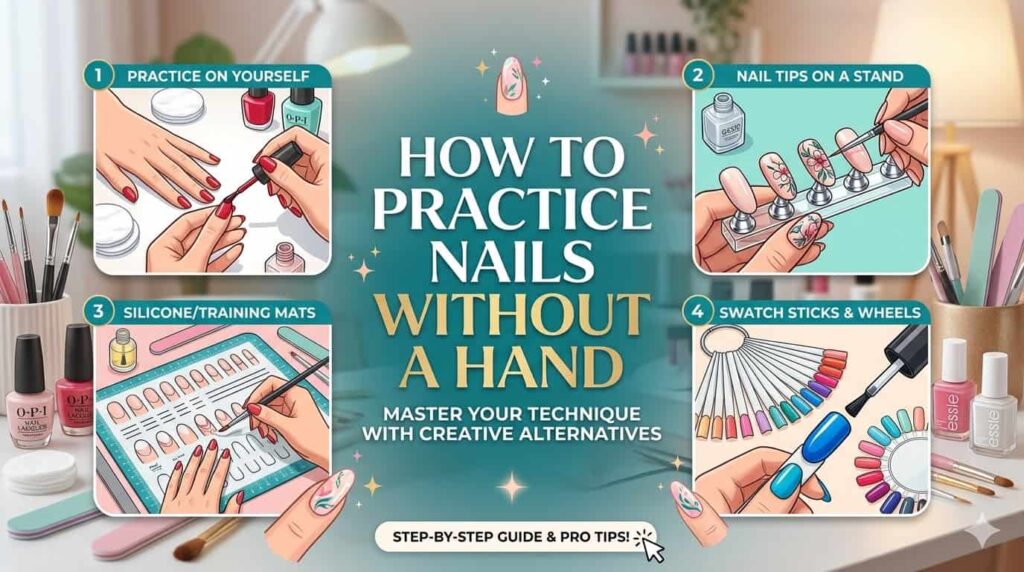
Whether you’re into acrylics, gel, or just trying to perfect your nail art without messing up your own nails every time, this guide will show you exactly how to practice nails without a hand—using easy, budget-friendly methods that actually work.
Let’s turn your “I’ll figure it out” era into your clean sets only era 💅
Practice Nails Without a Hand (Real Methods That Actually Work)
Alright, this is where things get fun—because not having a practice hand doesn’t limit you… it actually forces you to get creative, and that’s exactly how a lot of nail techs level up faster.
Let’s walk through the real ways you can practice nails at home, without a dummy hand, and still get clean, professional-looking results.
I. Practice on Nail Tips (Your New Best Friend)
If there’s one thing you should invest in early, it’s nail tips. They’re cheap, beginner-friendly, and honestly way less stressful than working on a full hand.
SHOP NOW: Beetles Extra Short Almond Nail Tips↗
You can either hold them, stick them on a surface, or use a nail stand (highly recommended if you want that “salon feel”). The beauty here is control—you can slow down, redo mistakes, and focus on technique without worrying about messing up your actual nails.
This is especially perfect for:
- Acrylic bead control (no pressure = better learning)
- Gel polish application
- Nail art (lines, swirls, French tips… all of it)
👉 Pro tip: Grab a basic nail stand + reusable adhesive putty. It makes everything feel 10x more professional and helps you build muscle memory faster.
ii. Use Your Own Hand (Strategically, Not Recklessly)
I know… practicing on yourself sounds risky. But hear me out—it’s actually one of the best ways to improve precision.
The trick? Don’t go full set mode every time.
Instead, practice:
- One nail at a time
- On your non-dominant hand (this builds great skill)
- Specific techniques (like cuticle work or polish control)
You’ll quickly notice what feels awkward—and that’s exactly where your growth is.
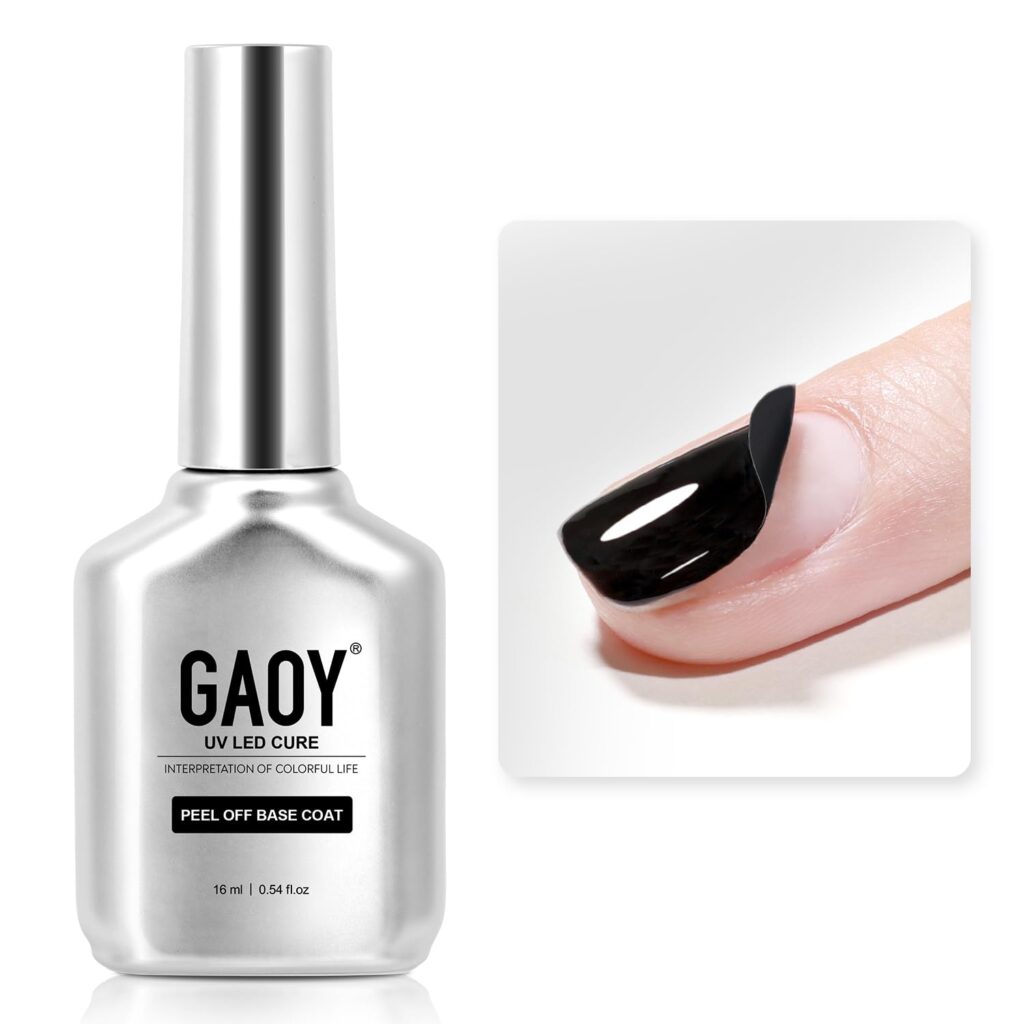
👉 Game changer: Use peel-off base coats. That way, you can practice, remove, and repeat without damaging your nails. It’s giving practice without commitment or energy.
GAOY Peel Off Gel Base Coat for Gel Nail Polish
iii. Fake Fingers (DIY Version That Actually Works)
You don’t need a full practice hand… but having something that mimics a finger? Super helpful.
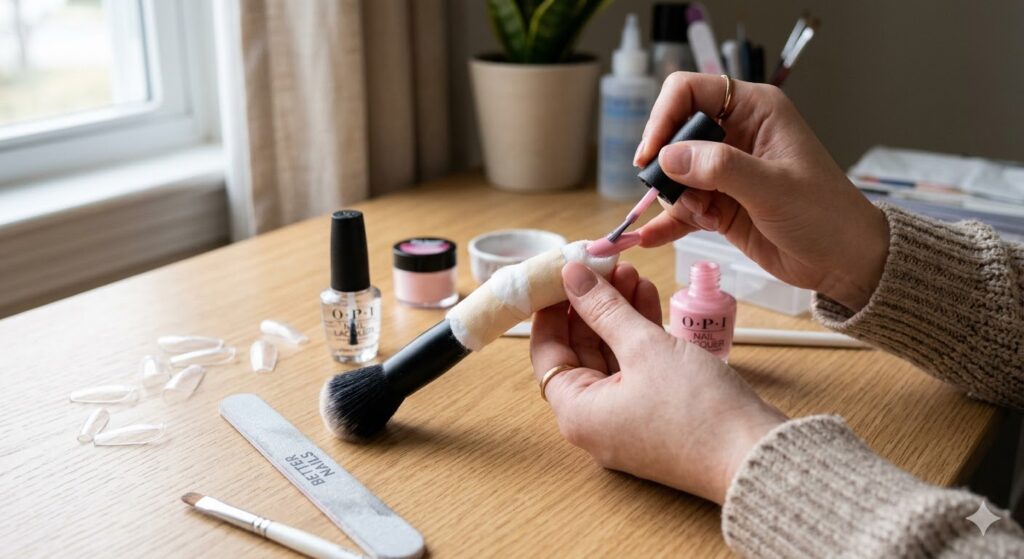
A lot of beginners DIY this using:
- Old makeup brushes (the thicker handles work great)
- Cotton wrapped in tape
- Even spoons (yes, really)
Stick a nail tip on top, and boom—you’ve got a mini “finger” to work on. It’s not perfect, but it helps you understand angles, pressure, and positioning way better than flat surfaces.
👉 Upgrade option: If you want something sturdier, look for affordable practice fingers instead of full hands—they’re cheaper and still do the job.
iv. Practice on Everyday Objects (Underrated but Genius)
This is where creativity really kicks in.
Flat or slightly curved surfaces around your house can become your practice zone:
- Plastic bottles
- Old phone cases
- Makeup packaging
- Even press-on nails you’re not using
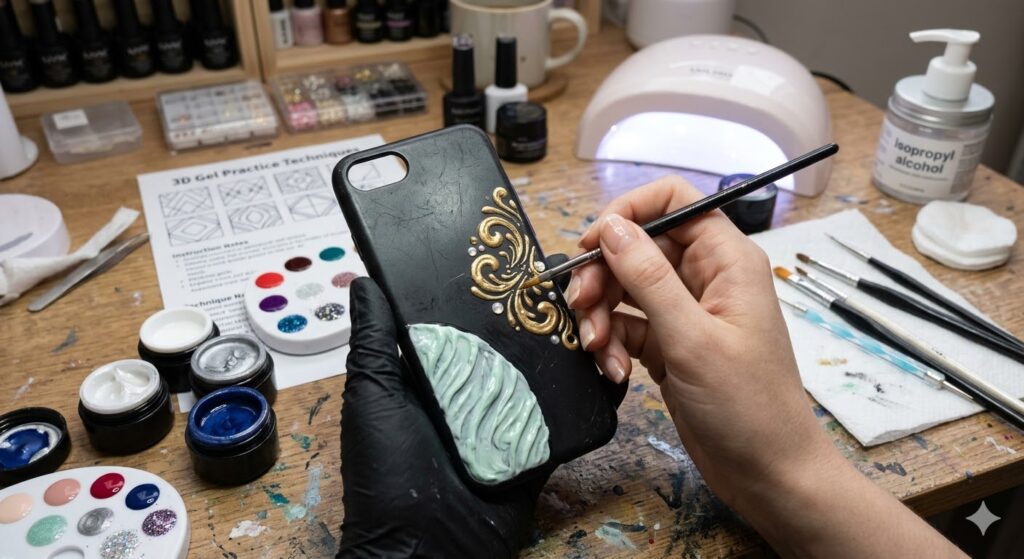
These are amazing for practicing nail art—especially things like:
- Straight lines (hello, striping brush practice)
- Swirls and abstract designs
- French tips without shaking
And because these surfaces are low-pressure, you’ll feel way more confident experimenting.
v. Press-On Nails = Practice + Profit Potential 👀
This one? Elite.
Practicing on press-on nails not only helps you improve—but also opens the door to selling custom sets later (yes, we’re thinking ahead 💅).
You can:
- Paint full sets
- Experiment with designs
- Test color combos
- Practice shaping and filing
And the best part? You can actually wear your work or show it off.
vi. Focus on Skills, Not Just Full Sets
Here’s something beginners don’t hear enough: you don’t need to do full sets every time you practice.
In fact, you’ll improve faster if you isolate skills like:
- Bead placement (acrylic control is EVERYTHING)
- Filing and shaping (this is what makes nails look professional)
- Cuticle area application (clean work = expensive look)
Try doing mini practice sessions where you only focus on one thing. It might feel repetitive, but this is how you go from “meh” to who did your nails?!
vii. Set Up a Mini Practice Station (Even If It’s Just a Corner)
You don’t need a full nail desk setup—but having a dedicated space helps you take practice seriously.
Keep your essentials in one place:
- Nail tips
- Brushes
- Files and buffers
- Acrylic or gel system
- A small lamp if you’re using gel
When everything is within reach, you’re way more likely to actually practice (instead of procrastinating and watching nail videos for 3 hours… we’ve all been there).
The Real Secret? Consistency Over Perfection
You can have all the tools in the world, but if you’re not practicing regularly, it won’t click. Even 20–30 minutes a day makes a difference.
Your first few tries might look messy. Your lines might shake. Your acrylic might flood the cuticle. Totally normal….But the more you practice (even without a hand), the more your control, speed, and confidence will improve.
And one day? You’ll look at your nails and be like… wait, I actually did that.
