Big Toe Nail Coming Off Nail Bed? Causes, Treatment & Recovery Tips
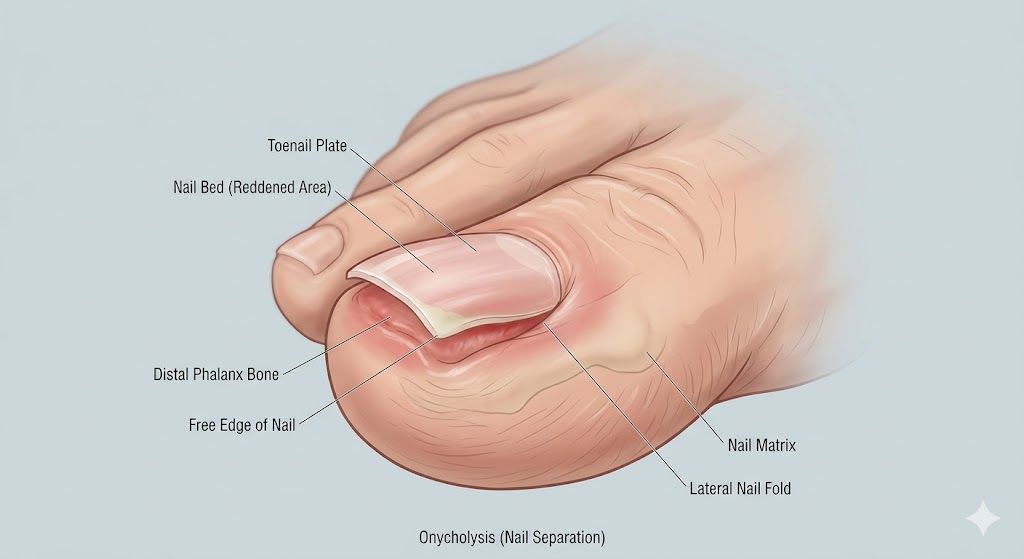
Nothing makes you jump like noticing your big toe nail lifting or even coming off the nail bed. ???? Whether it happened after stubbing your toe, hitting the gym hard, or seemingly out of nowhere, it’s uncomfortable and can feel alarming. But don’t panic! A lifted toenail, also known as onycholysis, is common and usually manageable with proper care. In this post, we’ll dive into the real causes, step-by-step treatments, recovery timelines, and prevention tips to keep your toes healthy and strong.
Why Your Big Toe Nail Is Coming Off: Common Causes
Here’s what might be triggering it:
Trauma or Injury
From stubbing your toe to dropping something heavy, even minor trauma can lift a toenail. Athletes often see this after running or wearing tight shoes. The nail may partially detach, and bruising underneath (black or dark blue spots) is common.
Fungal Infections
Toenail fungus slowly weakens the nail from beneath, making it lift from the nail bed. They are a major non-traumatic cause of toenail lifting.
- Prevention: Keep feet dry, wear moisture-wicking socks, change socks daily, and use antifungal powders if prone to sweat.
- Symptoms: Yellow, thick, brittle, or crumbly nails with possible odor.
- Treatment: Topical antifungal creams, medicated nail solutions, or oral antifungals (prescribed by a doctor).
Psoriasis or Skin Conditions
Psoriasis can affect nails, making them brittle, pitted, or lifting from the nail bed. It is a chronic (long-lasting) autoimmune skin condition that speeds up the life cycle of skin cells. Normally, skin cells grow and shed over about a month, but in psoriasis, this process happens in just a few days, causing skin cells to build up and form thick, scaly patches. Nail changes sometimes appear before other skin symptoms.
Medical Conditions & Medications
Certain health conditions—like thyroid imbalances, diabetes, or even nutritional deficiencies—can cause nails to separate. Some medications, including chemotherapy drugs, may also lead to nail lifting.
Repeated Moisture Exposure
When your feet are constantly wet or sweaty, it softens the skin and the nail bed, making it easier for the toenail to separate from the nail bed (onycholysis). This doesn’t happen overnight—it’s usually gradual, which is why many people don’t notice until the nail is already lifting.
Common Sources of Moisture Exposure:
- Wet socks/shoes: Not changing wet socks after rain, gym, or outdoor activities increases risk.
- Sweaty feet: Tight shoes, synthetic socks, or long workouts can trap sweat.
- Swimming or showers: Spending long periods in water, especially in pools or hot tubs, keeps the nails damp.
Step-by-Step At-Home Care for a Partially Detached Nail
If your toenail is lifting but hasn’t completely fallen off, proper at-home care is crucial to prevent infection and promote healthy regrowth. Here’s a step-by-step guide:
- Clean the Area Gently
- Wash your toe with warm water and mild soap.
- Avoid harsh scrubbing; just rinse and pat dry completely.
- Keeping the nail and surrounding skin clean reduces the risk of infection.
- Trim Loose Parts Carefully
- Only trim edges that are completely detached.
- Never pull the nail off, as this can damage the nail bed permanently and slow regrowth.
- Use sterile nail clippers and disinfect them before and after use.
- Protect Your Nail
- Cover the nail with a breathable bandage or sterile medical tape to prevent snagging.
- Change the bandage daily or if it becomes wet or dirty.
- If you’re active or wearing shoes, use a toe protector or cushioned pad to prevent further trauma.
- Soothe Pain and Reduce Swelling
- Soak your toe in warm water with Epsom salt for 10–15 minutes.
- This reduces inflammation, softens the nail slightly for gentle trimming, and eases discomfort.
- Over-the-counter pain relievers like acetaminophen or ibuprofen can help if needed.
- Support Nail Regrowth
- Keep the nail bed moisturized with nail oils or vitamin E cream to encourage healthy regrowth.
- Avoid tight shoes that can press on the nail or cause repeated trauma.
- Consider biotin supplements or nail-strengthening formulas for faster recovery.
- Monitor for Infection
- Watch for signs like redness, pus, swelling, or foul odor.
- If you notice any of these or if the nail pain worsens, seek medical attention immediately.
???? Pro Tip: While caring for a lifted nail, be gentle and patient. Toenails grow slowly—your big toenail may take 6–12 months to fully regrow. But following these steps carefully will give it the best chance to heal strongly and healthily.
Recovery Timeline: What to Expect
Toenails grow slowly, so patience is key:
- Big toe nails grow ~1.5 mm per month.
- Complete regrowth after full detachment can take 6–12 months.
- During this time:
- Keep nail bed clean.
- Avoid trauma.
- Consider nail-strengthening oils or biotin supplements.
Also Read: Is Cuticle Oil a Scam?
When Trauma Is the Cause: Nail Protection Hacks
If your nail lifted after stubbing your toe or a sports injury:
- Use cushioned toe pads or protective toe sleeves.
- Wear well-fitting shoes with soft, breathable socks.
- Avoid high-impact activities until the nail regrows.
When to See a Doctor?
Consult a healthcare professional if:
- The nail is painful, swollen, or has pus.
- You notice dark streaks, unusual discoloration, or repeated lifting.
- Home care doesn’t improve the nail over time.
Early medical attention prevents infections and reduces the risk of permanent nail damage.
Prevention Tips for Healthy Toenails
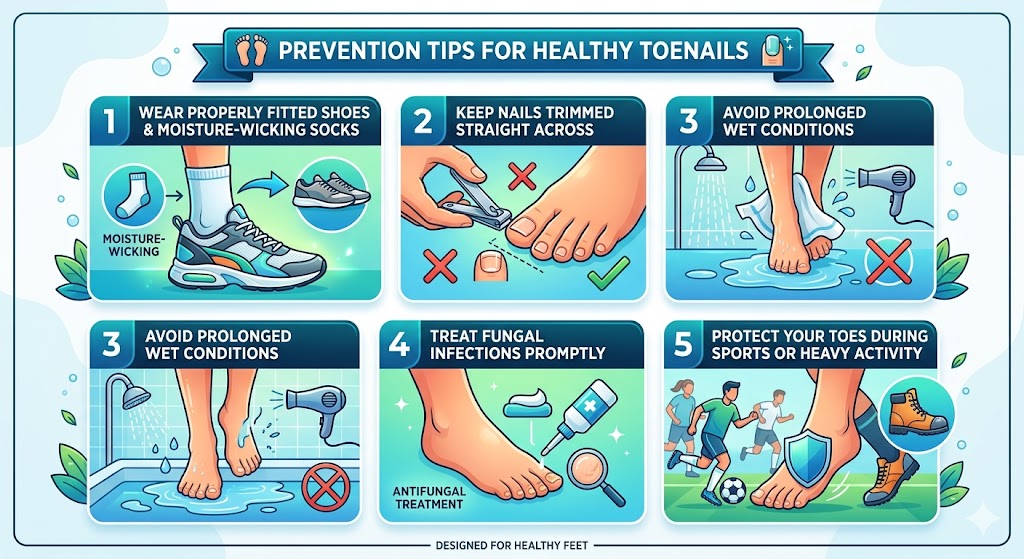
- Wear properly fitted shoes and moisture-wicking socks.
- Keep nails trimmed straight across.
- Avoid prolonged wet conditions.
- Treat fungal infections promptly.
- Protect your toes during sports or heavy activity.
Final Thoughts
Seeing your big toe nail lift or come off can be startling, but it’s usually not a cause for panic. With proper care, protection, and a little p atience, most nails fully recover. The key is identifying the cause—whether it’s trauma, moisture, fungal infection, or an underlying condition—and giving your nail the right environment to heal.
Remember: healthy nails don’t happen overnight, but small steps make a huge difference. Keep your toe clean, protect it from further damage, and support regrowth with moisturizing oils, gentle care, and preventive habits. ????
Think of it this way: every tough nail eventually grows back stronger. By acting quickly, staying consistent, and listening to your body, you’ll be back to flaunting healthy, strong toes—ready for sandals, workouts, or just a confident step forward.
