Why Are My Nails Flaking? Causes, Fixes & Prevention Tips
You notice it in the little things first—your nails start catching on fabric, the edges look dry, and then suddenly they’re peeling and flaking like they’ve had enough of life. Annoying? Absolutely. But also super common.
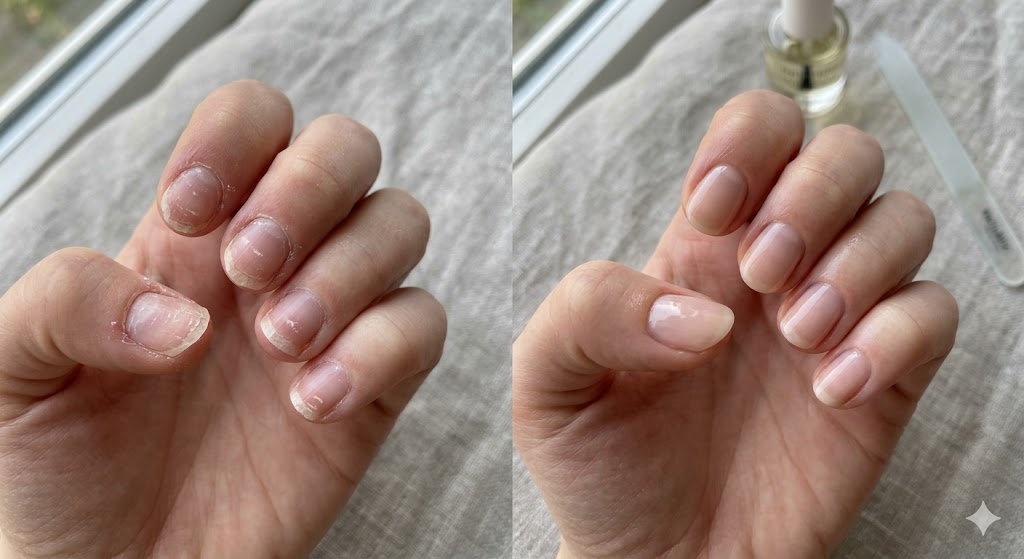
Flaky nails are usually your body’s quiet way of saying something is off—whether it’s moisture loss, over-filing, too much gel removal, or even everyday habits you don’t think twice about (yes, even washing dishes without gloves counts).
The good news? You don’t have to just “live with it” or keep trimming them down forever. Once you understand why your nails are flaking, fixing them becomes a whole lot easier—and way less frustrating.
In this guide, we’ll break down the real causes behind flaky nails (no fluff, no fear-mongering), and more importantly, how to stop them so your nails can get back to being smooth, strong, and actually cooperative again.
Why Are My Nails Flaking? (The Real Causes)
Flaky nails don’t just happen randomly. They’re usually the result of a combination of daily habits, environmental exposure, and sometimes internal health factors. The tricky part? Most people blame polish or genetics, when in reality, it’s often something much simpler.
1. Too Much Water Exposure (The Silent Nail Killer)
If your hands are constantly in water—washing dishes, frequent handwashing, cleaning products—your nails are basically going through a “soak and dry” cycle all day long.
Here’s what happens:
- Nails absorb water and swell
- Then they dry out and contract
- This repeated cycle weakens the keratin layers
Over time, the layers start separating, which shows up as flaking or peeling.
Even everyday habits like not wearing gloves while cleaning can slowly damage your nails without you noticing.
💡 Think of your nails like a sponge—too much soaking, and they lose structure.
2. Over-Filing or Rough Nail Prep
Yes, your nail file might be part of the problem.
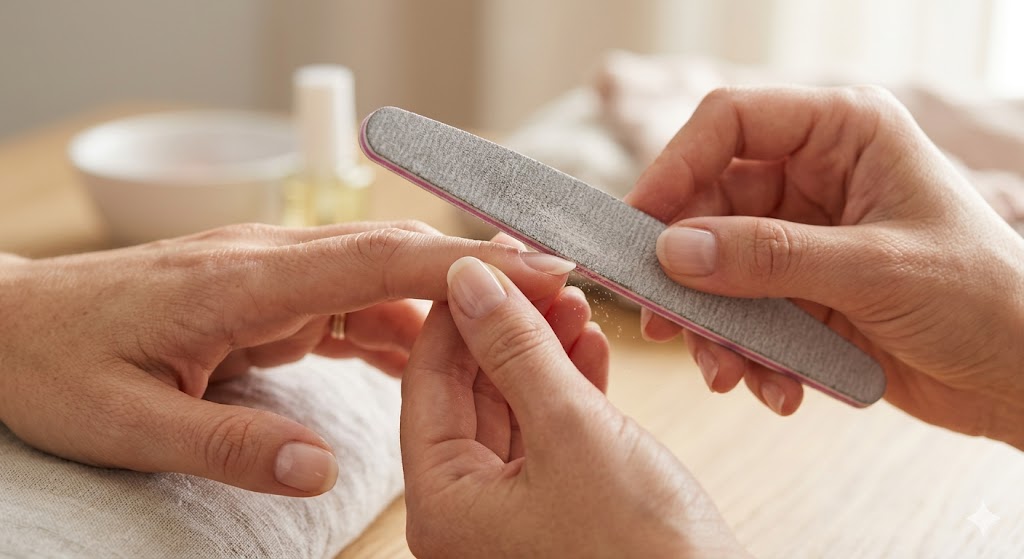
Aggressive filing, especially:
- Back-and-forth filing
- Over-buffing the nail surface
- Using very coarse files on natural nails
can literally thin out the nail plate.
Once the nail becomes too thin, the layers start splitting apart like paper.
A lot of people also over-buff to make polish last longer—but in reality, it weakens the nail foundation.
3. Gel, Acrylic, or Improper Removal Damage
If you’ve ever peeled off gel polish (we’ve all been tempted), you already know this one is a big deal.
Peeling or forcefully removing:
- Gel polish
- Acrylics (HEAL Acrylic Damaged Nails↗)
- Press-ons
can lift layers of your natural nail along with it.
Even acetone removal, if done too harshly or too often, can dry out nails and make them more prone to flaking.
A study-style review of nail damage shows that repeated cosmetic exposure and improper removal are major contributors to nail thinning and splitting.
4. Dryness (Yes, Nails Can Get “Dehydrated”)
We talk a lot about moisturizing skin—but nails? Not so much.
When nails lack moisture, they become:
- Rough
- Brittle
- Easy to peel at the tips
Dry nails are especially common in colder weather, frequent sanitizing, or if you’re not using cuticle oil.
Dermatology research shows that brittle nails often come from low moisture levels or overexposure to drying agents .
5. Too Much Moisture (The Other Extreme)
This one surprises people.
Yes—your nails can also flake from being too soft.
Overexposure to:
- Detergents
- Cleaning chemicals
- Long soaking in water
can make nails overly flexible and weak. Instead of staying firm, the layers start bending and splitting.
So basically, nails hate extremes. They like balance.
6. Nutrient Gaps (What Your Nails Might Be Missing)

Sometimes flaky nails aren’t just external—they can reflect what’s happening inside your body.
Common nutritional links include:
- Iron deficiency
- Low biotin intake
- Vitamin B deficiencies
- Protein deficiency
When your body lacks these nutrients, keratin production weakens—and since nails are made of keratin, they become fragile and layered.
This doesn’t mean every flaky nail = deficiency, but if you also notice fatigue, hair shedding, or weakness, it might be worth paying attention.
7. Everyday Habits You Don’t Think About
Some sneaky habits that quietly cause flaking:
- Using nails as tools (opening cans, scratching labels)
- Picking at polish or gel edges
- Typing aggressively on hard surfaces
- Not moisturizing cuticles
These seem harmless, but repeated over time, they add up.
How to Stop Nails from Flaking (The Fix That Actually Works)
Now for the good part—how to actually fix it.
The goal is simple:
👉 strengthen the nail plate + reduce damage + restore moisture balance
Let’s go step by step.
1. Switch to Gentle Nail Care (This Changes Everything)
Start with how you treat your nails daily.
- File in one direction only
- Use a fine-grit file (not harsh emery boards)
- Avoid over-buffing the nail surface
- Keep nails slightly short while healing
Shorter nails = less stress = faster repair.
Think of it like letting your nails “reset.”
2. Cut Down Water Damage (Without Becoming Obsessed)
You don’t need to avoid water—you just need to protect your nails better.
Try this:
- Wear gloves when washing dishes or cleaning
- Avoid long soaking in hot water
- Dry hands properly after washing
It sounds simple, but this alone can drastically reduce flaking over time.
3. Moisturize Like It’s Skincare (Because It Is)
If you’re only moisturizing your hands, you’re missing the most important part: your nails and cuticles.
Use:
- Cuticle oil (jojoba oil works amazingly)
- Thick hand cream
- Petroleum jelly at night for sealing moisture
Apply at least 2–3 times daily for visible improvement.
💅 Pro tip: Apply oil right after washing hands. That’s when nails absorb moisture best.
4. Stop “Peeling Behavior” Immediately
This is a big one.
Do NOT:
- Peel gel polish off
- Pick at lifting nail layers
- Tear hangnails aggressively
Instead:
- Gently file the edge
- Soak off gel properly
- Trim hangnails cleanly
Every peel = more layers removed = more flaking.
5. Consider a Nail Strengthening Treatment
A good nail strengthener can temporarily help seal weak layers.
Look for formulas that:
- Strengthen keratin
- Add a protective coating
- Don’t make nails overly rigid (important!)
But don’t rely on them alone—they work best with proper nail care habits.
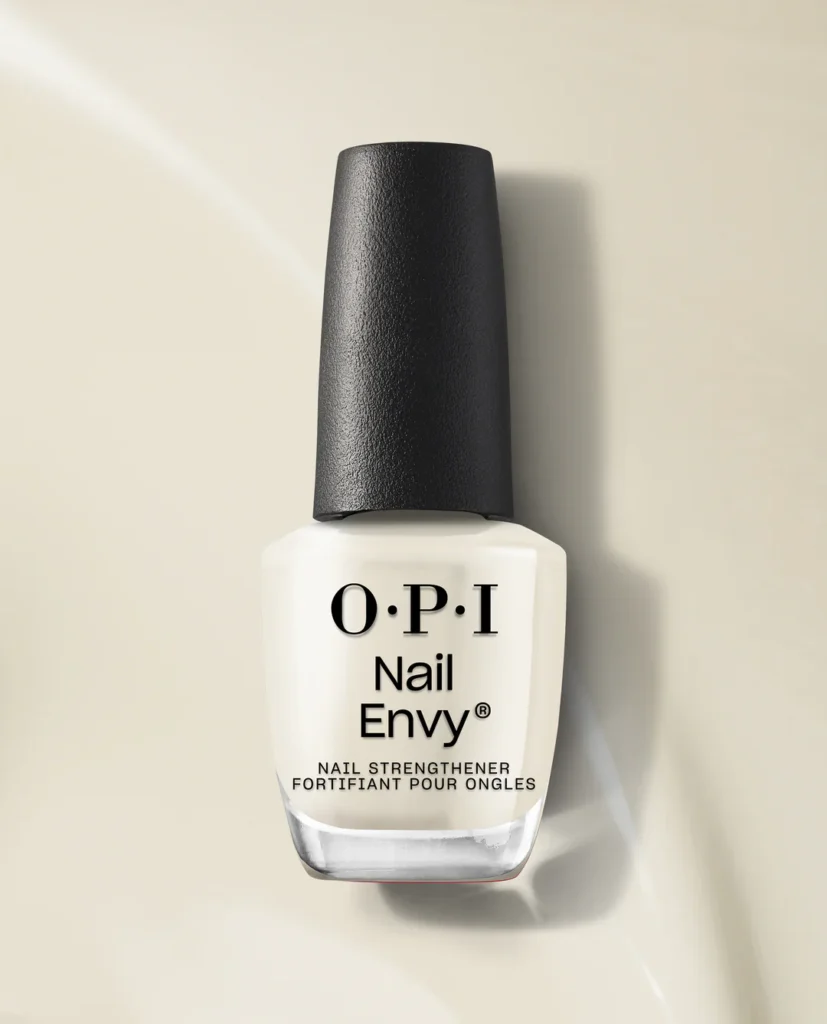
For a reliable option, the OPI Nail Envy (Original Formula) is a long-standing favorite because it reinforces the nail without causing brittleness.
6. Fix Your Diet (If Needed)
If your nails have been flaking for months, your body might need extra support.
Nail-friendly nutrients include:
- Protein (eggs, chicken, legumes)
- Iron (spinach, red meat, lentils)
- Biotin (nuts, seeds, eggs)
- Omega-3 fatty acids
You don’t need perfection—just consistency.
7. Give Your Nails a “Recovery Period.”
Sometimes the best fix is simply… a break.
Try this for 2–4 weeks:
- No gel polish
- No acrylics
- Minimal nail products
- Focus only on hydration and protection
This allows the damaged layers to grow out naturally.
Remember: nails grow slowly—so patience is part of the process.
How Long Does It Take to Fix Flaky Nails?
Real talk? Not overnight.
On average:
- You may see improvement in 2–3 weeks
- Full nail recovery can take 2–4 months
Why so long? Because nails grow slowly, and you have to wait for the damaged part to grow out completely.
Final Thoughts
Flaky nails aren’t just a “beauty issue”—they’re usually a sign that your nails are under stress from moisture imbalance, damage, or neglect (even unintentional).
The good news is: once you identify the cause, fixing them becomes surprisingly simple.
It’s really about three things:
✨ Protect
✨ Moisturize
✨ Be gentle
Your nails don’t need extreme treatments—they just need consistency and a little care routine that actually makes sense.
And once they recover? Trust me, you’ll notice the difference not just in how they look—but in how strong and smooth they feel every time you touch them.
