
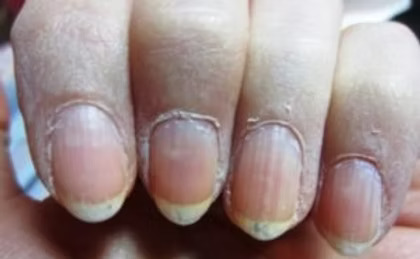
Dry Cracked Cuticles? Here’s Exactly How to Fix Them
If your hands feel tight, irritated, or you keep spotting tiny splits around your nails, you’re probably dealing with dry, cracked cuticles. It’s one of the most common nail-care struggles, and honestly, it sneaks up on everyone — especially when the weather shifts or your routine gets a little hectic. Whether you’re noticing dry cuticles for the first time or your cracked cuticles keep coming back, the good news is that they’re totally fixable with the right care.
In this guide, we’ll break down exactly what’s causing all that dryness, why your cuticles split in the first place, and the easiest steps to repair them fast so your nails look clean, hydrated, and healthy again.
What Are Dry Cracked Cuticles?
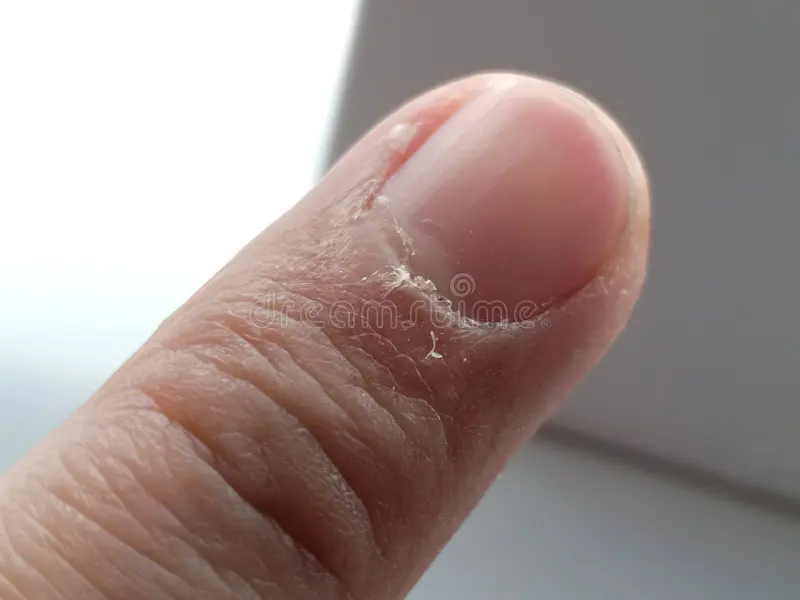
Your cuticles are tiny strips of skin that protect new nail growth, and when they’re healthy, they sit smooth and soft around the nail bed. But when that protective layer loses moisture, you end up with dry cuticles that feel rough, tight, and flaky. If the dryness gets worse, those delicate edges can open up — leading to cracked cuticles that sting every time you wash your hands or apply lotion.
So in simple terms, dry cracked cuticles happen when the skin around your nails becomes dehydrated, irritated, or damaged. It’s a small issue that can quickly become painful if ignored.
What Causes Dry Cracked Cuticles?
There’s no single cause — most people deal with dry cuticles because of a mix of lifestyle habits, weather, and products. Here are the most common triggers:
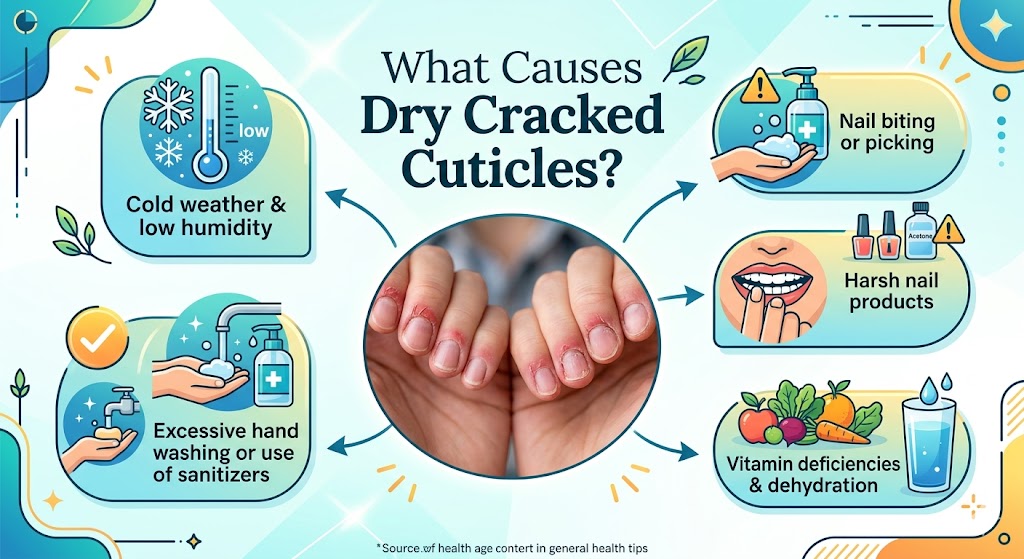
• Cold weather & low humidity
Winter air pulls moisture from your skin, making dry, cracked cuticles almost unavoidable if you don’t moisturize.
• Excessive hand washing or use of sanitizers
Frequent washing strips natural oils, leading to dry cuticles.
• Nail biting or picking
This creates openings in the skin, turning mild dryness into painful, cracked cuticles.
• Harsh nail products
Acetone and strong removers can dehydrate the nail area fast.
• Vitamin deficiencies & dehydration
Low moisture inside the body = dry cuticles outside.
Are these Harmful?
Most of the time, dry cuticles are more annoying than serious, but they can escalate. Cracks in the skin make it easier for bacteria to sneak in, which can lead to redness, swelling, or infection. Ignoring cracked cuticles can also weaken the nail bed, causing peeling or breakage over time.
Taking action early keeps your dry cuticles soft, protected, and pain-free.
How to Heal Dry Cracked Cuticles Fast (Step-by-Step)
When you’re dealing with dry cracked cuticles, the secret isn’t doing one big treatment — it’s layering small, hydrating habits that work together. This is the part that actually transforms dry cuticles into soft, healthy skin again. Below is a routine that feels luxurious but is super realistic for everyday life, with product picks I genuinely recommend for repairing cracked cuticles fast.
1. Start With a Warm Soak to Soften the Skin
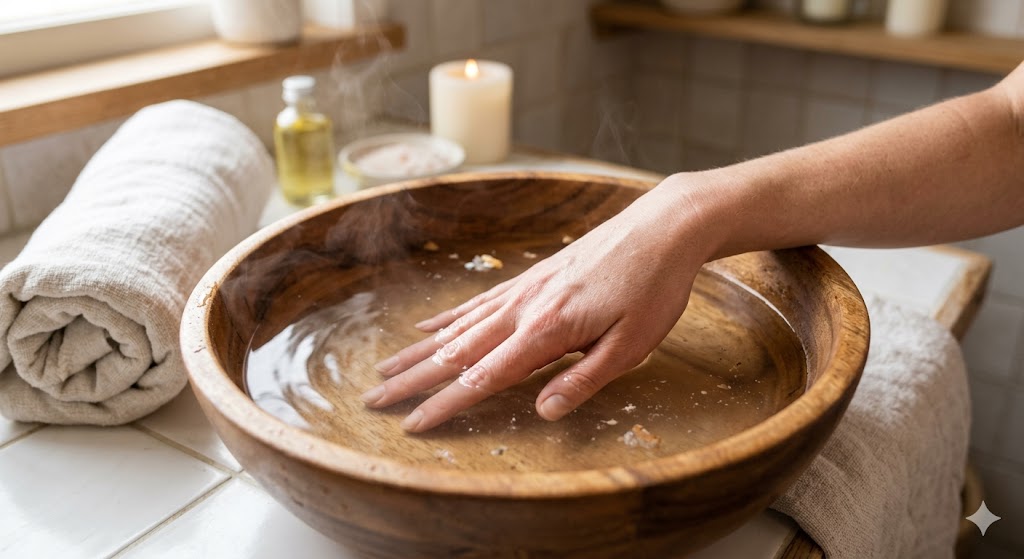
Before anything else, soften the area so your dry cuticles become pliable instead of stiff and painful. A quick 5-minute soak in warm water (you can add a drop of gentle soap or a splash of olive oil) instantly loosens the skin and preps it for moisture.
If you’re someone who deals with constant dry cracked cuticles, doing a warm soak a few times a week makes a huge difference.
2. Apply a Nourishing Cuticle Oil — Daily, Not Occasionally
Cuticle oil is non-negotiable. The right formula can completely repair cracked cuticles, especially when used every day.
A great option is the CND SolarOil, a classic blend of jojoba, almond oil, and vitamin E. It sinks quickly into dry cuticles, strengthens the nail plate, and restores hydration fast. If you prefer something richer, the Cuccio Revitalizing Cuticle Oil is another top-tier option with a thicker texture that coats dehydrated cuticles beautifully.
Apply 2–3 times a day if your cuticles are severely cracked.
3. Lock It In With a Thick Hand Cream or Balm
Oil works best when you seal it. After applying cuticle oil, go in with a repairing hand cream that supports the skin barrier.
O’Keeffe’s Working Hands Cream is ideal for anyone struggling with stubborn, dry, or cracked cuticles, as it creates a protective layer that lasts through hand washing. If you like something more buttery, the Burt’s Bees Lemon Butter Cuticle Cream melts right into the nail area and leaves dry cuticles noticeably softer in a few days.
Use this combo (oil + cream) morning and night.
4. Avoid Cutting Your Cuticles — Push Them Back Gently Instead
When your cracked cuticles look ragged, it’s tempting to snip everything away. But cutting the skin often creates small openings that lead to even more damage. Instead, use a soft cuticle pusher — preferably after a warm soak — and lightly guide the skin back. This keeps everything clean without causing damage.
5. Switch to a Gentle Nail Polish Remover
Traditional acetone can instantly make your cuticles dry. If you polish your nails often, switch to a nourishing remover. The Ella+Mila Soy Nail Polish Remover is a fantastic non-acetone option with essential oils that keep cuticles from flaring up.
6. Protect Your Hands Throughout the Day
A lot of people don’t realize how often dehydrated cuticles happen simply because of daily routines. Wear gloves when washing dishes, cleaning, or doing laundry. Even 10 minutes of detergent exposure can worsen already damaged cuticles.
7. Try the Nighttime Occlusion Method for Deep Repair
If your dry, cracked cuticles are extremely irritated or painful, this is the fastest way to heal them:
- Apply a generous layer of cuticle oil
- Follow with a thick cream or balm
- Put on cotton gloves overnight
You’ll wake up with softer, smoother skin, and after 2–3 nights, most cracked cuticles look dramatically better.
Natural Remedies for Dry Cracked Cuticles
If you’re someone who loves simple, home-based fixes, natural remedies can help soothe dry cuticles between your regular nail-care routine. They’re gentle, nourishing, and perfect for days when your cracked cuticles feel extra sensitive. Find out How to DIY cuticle oil at home↗
• Coconut oil
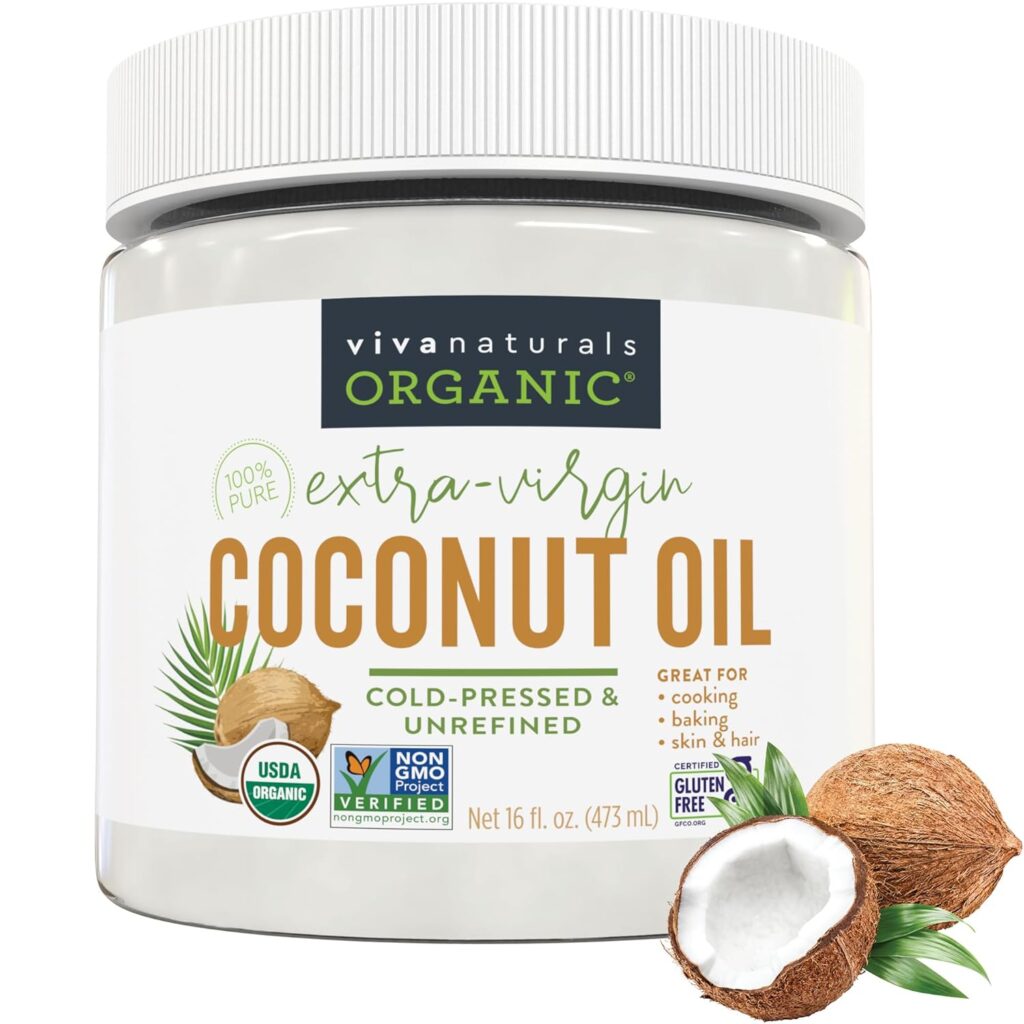
This is a classic for a reason. Coconut oil is deeply moisturizing and helps seal cracks, so your dry cuticles stop peeling. Warm it slightly and massage it in before bed.
• Shea butter
Shea butter is rich, buttery, and perfect for repairing cuticles that need intense hydration. A tiny dab goes a long way.
• Honey
Honey acts as a natural humectant and helps soften cracked cuticles while calming irritation. Use it as a 10-minute mask on the nail area.
• Olive oil soak
A warm olive oil soak is one of the easiest ways to revive dry cuticles. It replenishes moisture quickly and leaves the skin more elastic.
You can mix and match these remedies with your daily products for a healthy, balanced routine.
How to Prevent Dry Cuticles From Coming Back?
Treating cracked cuticles is one thing, but keeping them from returning is where the real magic happens. Consistency is everything.
• Keep oil and cream near you
Desk, car, purse — you’re more likely to maintain your cuticles if the products are within reach. A quick swipe of oil can prevent dry cuticles from forming in the first place.
• Wear gloves for chores
Dish soaps and detergents strip your skin instantly. Protecting your hands is the easiest way to stop cracked cuticles from reappearing.
• Stay hydrated
Internal hydration affects how your skin behaves externally. Drinking enough water keeps dry cuticles from becoming a chronic issue.
• Avoid picking
Even tiny peeling edges can turn into painful, dry cracked cuticles if you tug or bite them.
• Moisturize after every wash
This one habit alone can prevent 70% of dry cuticles, especially in colder months.
When to See a Dermatologist?
Most cases of damaged dry cuticles resolve with consistent care, but sometimes professional help is the smarter option.
You should consider seeing a dermatologist if:
– Your cracked cuticles are swollen, warm, or oozing (signs of infection)
– You experience persistent redness or pain
– Your dry cuticles don’t improve after a few weeks of proper hydration
– You suspect eczema, psoriasis, or a fungal infection around the nails
A professional can prescribe targeted treatments that speed healing and prevent complications.
