
What is Japanese Gel Manicure? Everything You Need to Know
If you’ve ever scrolled through nail inspo on Instagram and thought, “Why do those nails look so ridiculously glossy?”—there’s a good chance you were looking at a Japanese gel manicure. And trust me, it’s not just regular gel with a fancy name slapped on it.
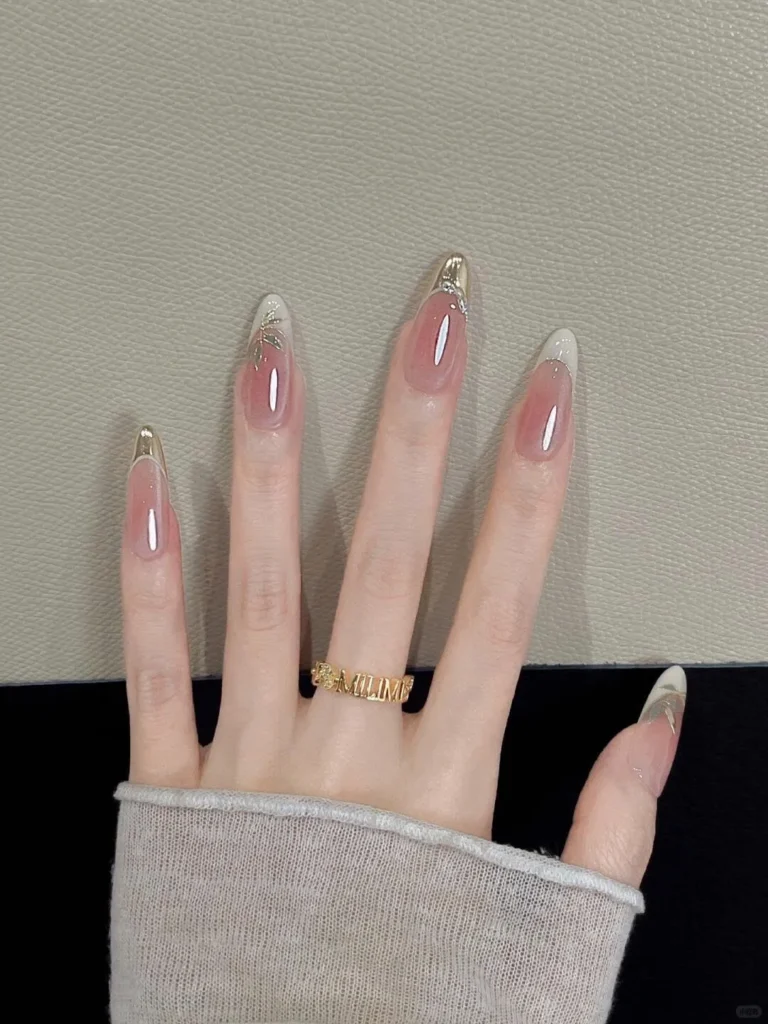
Japanese gel manicures have been quietly taking over nail salons thanks to their ultra-shiny finish, flexible formula, and nail-friendly approach. Unlike traditional gel systems that can sometimes feel thick or damaging, Japanese gel is designed to enhance the natural nail, not overpower it. The result? Nails that look healthy, elegant, and effortlessly polished—like your nails just decided to have a glow-up.
In this guide, we’re breaking down what a Japanese gel manicure actually is, how it’s different from regular gel, and why beauty lovers are obsessed with it. If you’re chasing that “glass-like” shine without wrecking your natural nails, this manicure might just be your new favorite nail upgrade. ????
What Is a Japanese Gel Manicure?
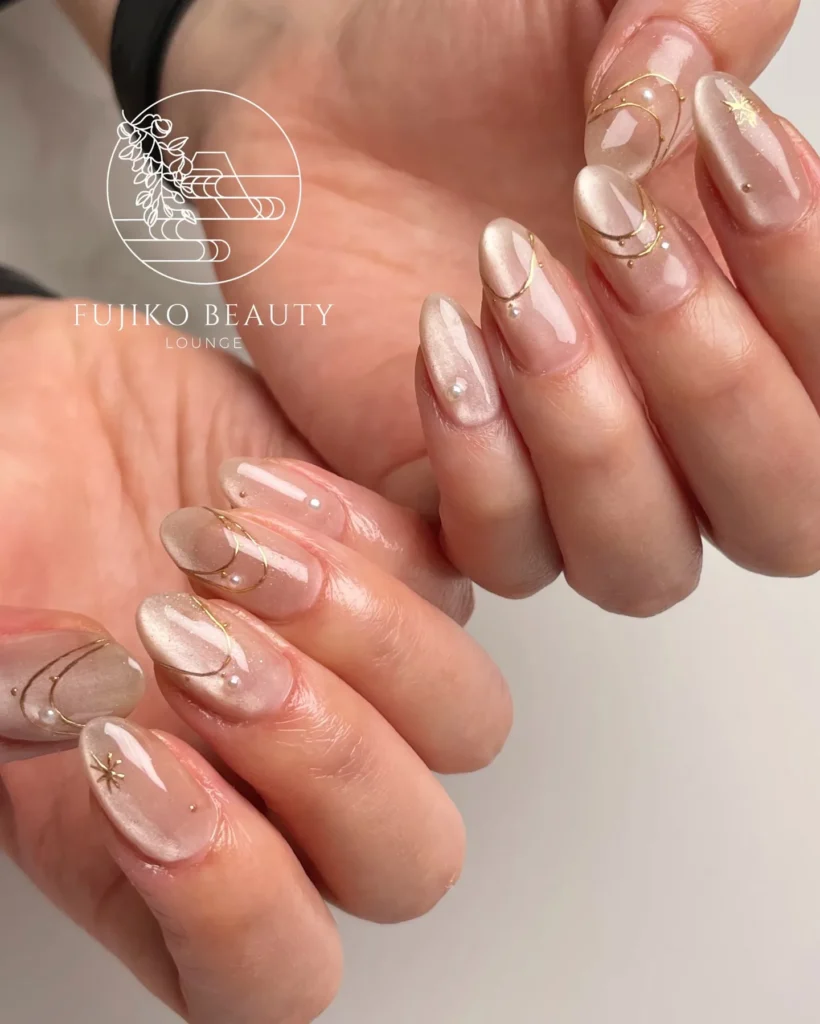
A Japanese gel manicure is a premium gel nail system that focuses on healthy, natural-looking nails with an ultra-glossy finish. Unlike traditional gel manicures that can sometimes feel thick or heavy, Japanese gel formulas are designed to be thin, flexible, and gentle on the natural nail.
The goal isn’t to create bulky layers or dramatic nail extensions. Instead, Japanese gel enhances the natural nail with lightweight layers of highly pigmented gel that cure under a UV or LED lamp. This results in a look that is incredibly glossy, clean, and polished, almost like your natural nails—but upgraded.
Many nail artists describe Japanese gel manicures as the “luxury skincare version of nail services.” The formulas prioritize nail health, precision application, and long-lasting shine.
What Makes Japanese Gel Different From Regular Gel?
At first glance, a Japanese gel manicure might look similar to a traditional gel manicure. But under the surface, there are several important differences.
Thinner and More Flexible Formula
Traditional gel systems often create a thicker layer on the nail. Japanese gels, on the other hand, are formulated to be thin and flexible.
This flexibility allows the gel to move with the natural nail, which helps reduce lifting, cracking, or premature chipping.
Think of it like this:
- Traditional gel: structured and slightly rigid
- Japanese gel: lightweight and flexible
Because the layers are thinner, the manicure feels more natural and comfortable on your nails.
Highly Pigmented Colors
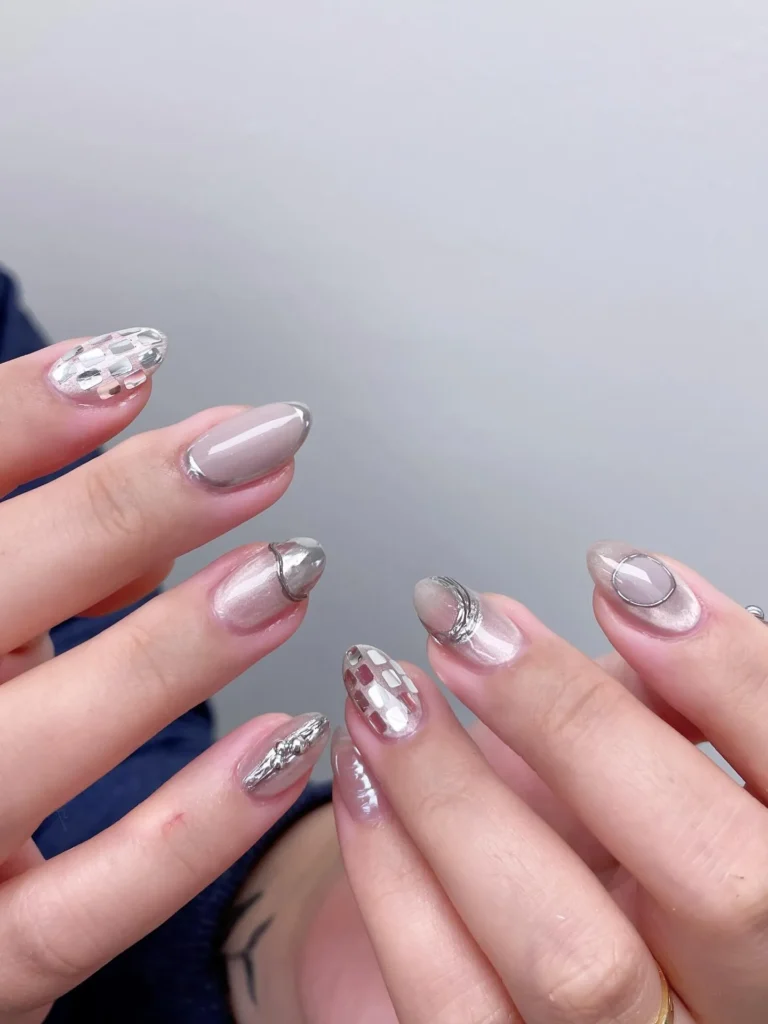
Japanese gel brands are known for their intense pigmentation. This means nail artists can achieve full coverage with fewer layers, which keeps the manicure lightweight and smooth. The colors also tend to look deeper, richer, and glossier, especially under salon lighting.
Focus on Nail Health
One of the biggest philosophies behind Japanese nail systems is protecting the natural nail.
Many Japanese gels are formulated to:
- minimize damage to the nail plate
- Reduce excessive filing
- Maintain natural nail flexibility
Because of this approach, Japanese gel manicures are often preferred by people who want long-term nail health without giving up glossy manicures.
Incredible Shine
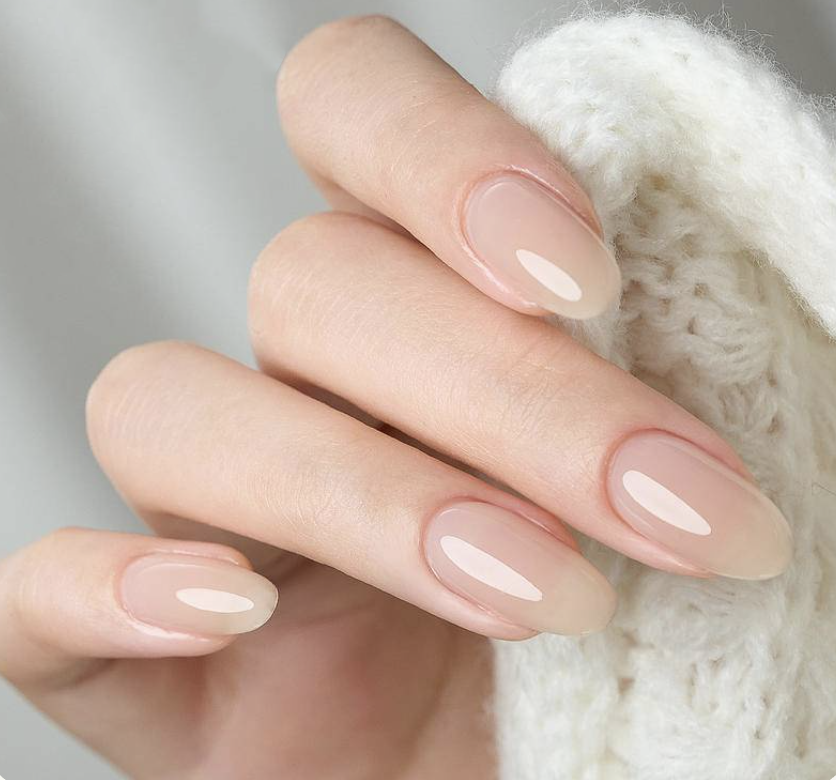
If you love that mirror-like shine, Japanese gel manicures deliver.
The glossy finish is one of the most recognizable features of this nail technique. Even after several weeks, the manicure often retains its glass-like reflection.
It’s the kind of shine that makes people ask, “Wait… did you just get your nails done?”
How a Japanese Gel Manicure Works
The application process is slightly more detailed than a standard gel manicure because it emphasizes precision and nail preparation. Here’s what typically happens during a Japanese gel manicure appointment.
Step 1: Gentle Nail Prep
The process begins with careful nail preparation.
The nail artist will:
- shape the nails
- push back the cuticles
- lightly prep the nail surface
Unlike some traditional systems, Japanese gel techniques usually avoid excessive filing, which helps preserve nail strength.
Step 2: Base Gel Application
A thin layer of base gel is applied to the natural nail. This layer acts as the foundation of the manicure, helping the color gel adhere properly while maintaining flexibility. The nails are then cured under a UV or LED lamp.
Step 3: Color Gel Layers
Next comes the color. Japanese gel colors are applied in thin, even layers, with each layer cured under a lamp before the next one is added.
Because the pigments are so strong, many shades achieve full coverage with just one or two coats.
Step 4: Glossy Top Coat
Finally, a top coat is applied to seal the manicure.
This top coat creates the signature glass-like shine that Japanese gel manicures are famous for.
After curing, the nails look smooth, reflective, and incredibly polished.
Benefits of a Japanese Gel Manicure
So why are nail artists and beauty lovers so obsessed with Japanese gel manicures? There are several reasons.
i. Long-Lasting Wear
A properly applied Japanese gel manicure can last two to four weeks without major chipping or peeling.
Because the gel is flexible, it tends to stay intact longer than rigid formulas.
ii. Natural-Looking Finish
Japanese gel manicures are perfect if you prefer nails that look elegant and understated.
Instead of bulky layers, the manicure enhances the natural nail shape.
The final result looks clean, glossy, and sophisticated.
iii. Lightweight Feel
One thing people immediately notice about Japanese gel nails is how light they feel. Since the layers are thinner, your nails won’t feel heavy or overly structured. Many people say the manicure feels almost like their natural nails—just shinier.
iv. Reduced Nail Damage
Because the system emphasizes gentle prep and flexible gel layers, Japanese gel manicures are often considered less damaging than some traditional nail systems.
Of course, proper removal is still important.
But overall, this technique is designed to support healthier nails over time.
How Long Does a Japanese Gel Manicure Last?
Most Japanese gel manicures last between two and four weeks.
The exact longevity depends on factors like:
- nail growth rate
- daily activities
- how well the manicure was applied
Many people find that the manicure stays glossy and chip-free for longer than standard gel polish.
Once your nails grow out, you can either get a fill or a complete removal and fresh set.
How Much Does a Japanese Gel Manicure Cost?
Because Japanese gel systems use premium products and require advanced techniques, they tend to be more expensive than standard gel manicures.
Typical salon prices in the U.S. range from:
- $60 to $120 for a basic Japanese gel manicure
- Higher prices for nail art or extensions
While the price is higher, many clients feel the longer wear time and healthier nail approach make it worth the investment.
Japanese Gel vs Regular Gel Manicure
If you’re trying to decide between the two, here’s a quick comparison.
Japanese Gel
- thinner and more flexible
- extremely glossy finish
- highly pigmented colors
- focuses on nail health
- more expensive
Regular Gel
- thicker layers
- widely available in salons
- usually cheaper
- slightly less flexible formula
Both options can produce beautiful results, but Japanese gel manicures are often preferred by people who want natural-looking nails with luxury-level shine.
Is a Japanese Gel Manicure Worth It?
If you love glossy nails that look elegant, minimal, and healthy, a Japanese gel manicure is absolutely worth trying.
It’s especially ideal for people who:
- want long-lasting manicures
- prefer natural nail looks
- want a thinner, lightweight feel
- care about maintaining nail health
In short, Japanese gel manicures deliver the perfect balance of beauty, durability, and nail care.
And honestly? Once you experience that glass-like shine, it’s hard to go back
