Emery Board vs Nail File: What’s the Difference and Which One Should You Use?
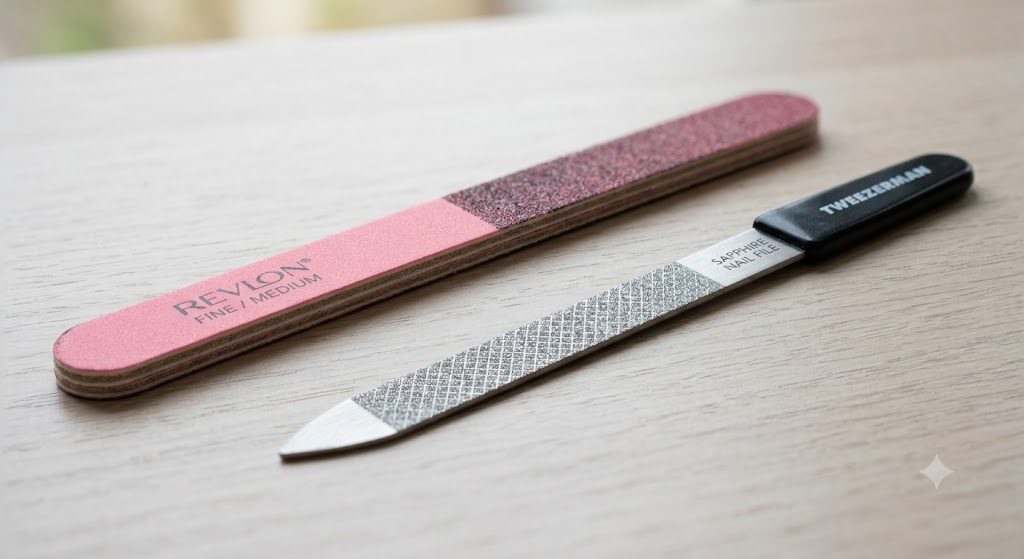
If you’ve ever shopped for nail care tools, you’ve probably noticed both emery boards and nail files. Many people assume they’re the same thing, but they’re not. While both shape and smooth your nails, they differ in material, durability, grit, and the type of nails they’re best suited for.
So, which one is better? The answer depends on your nail type and how often you do your nails.
In this guide, we’ll compare emery boards vs nail files, explain their pros and cons, and help you choose the right tool for healthy, beautiful nails.
Emery Board vs Nail File: Quick Comparison
| Feature | Emery Board | Nail File |
|---|---|---|
| Material | Cardboard with abrasive coating | Glass, crystal, metal, ceramic, or reusable boards |
| Durability | Disposable | Usually reusable |
| Best For | Natural nails | Natural, gel, acrylic, or artificial nails (depends on type) |
| Lifespan | Short | Months to years |
| Cost | Low | Moderate to high |
| Hygiene | Single-user, disposable | Must be cleaned regularly |
What Is an Emery Board?
An emery board is a thin piece of cardboard or wood coated with abrasive particles, usually aluminum oxide or emery. It’s designed for gently shaping and shortening natural nails.
Because it’s inexpensive and disposable, it’s one of the most common nail tools found in home manicure kits.
Pros
- Affordable and widely available
- Lightweight and easy to carry
- Gentle on natural nails
- Great for quick touch-ups
- Hygienic when replaced regularly
Cons
- Wears out quickly
- Cannot be washed effectively
- Not suitable for thick acrylic or hard gel nails
- May become rough after repeated use
What Is a Nail File?
“Nail file” is a broad term that refers to any tool used to shape nails. Emery boards are technically one type of nail file, but many people use the term to describe reusable files made from different materials.

Common types include:
- Glass nail files
- Crystal nail files
- Metal nail files
- Ceramic nail files
- Professional reusable boards
Each type is designed for different nail needs.
Pros
- More durable than emery boards
- Many can be washed and sanitized
- Available in different grit levels
- Better long-term value
- Suitable for both natural and artificial nails
Cons
- Higher initial cost
- Some types, like metal files, can be too harsh if used incorrectly
- Glass files may break if dropped
Which Is Better for Natural Nails?
If you have healthy natural nails, both tools can work well.
However, glass nail files are often considered the best option because they create a smoother edge and are less likely to cause splitting or peeling.
An emery board is still an excellent budget-friendly choice, especially if you replace it regularly.
Which Is Better for Acrylic Nails?
A standard emery board usually isn’t strong enough for acrylic nails.
Instead, use a coarse nail file designed specifically for acrylics. These files remove product faster and maintain the desired nail shape with less effort.
Understanding Nail File Grit
The grit number tells you how coarse or fine a nail file is.
- 80–100 grit: Very coarse, ideal for removing acrylic.
- 100–180 grit: Best for shaping artificial nails.
- 180–240 grit: Suitable for natural nails.
- 240+ grit: Fine finishing and smoothing.
Using a grit that’s too coarse on natural nails can weaken and damage them.
How to File Nails Correctly
For healthier nails:
- Start with clean, dry nails.
- File in one direction instead of sawing back and forth.
- Use gentle pressure.
- Round off sharp corners slightly to prevent snagging.
- Finish by lightly smoothing the nail edge.
Proper filing helps reduce nail splitting and breakage.
When Should You Replace an Emery Board?
Replace your emery board when:
- The abrasive surface becomes smooth.
- It starts bending excessively.
- It shows signs of dirt or discoloration.
- It no longer shapes nails effectively.
Since they’re inexpensive, replacing them regularly is the most hygienic option.
How to Clean a Reusable Nail File
If you’re using a reusable glass or ceramic nail file:
- Wash it with warm water and mild soap.
- Scrub gently using a soft brush if needed.
- Dry completely before storing.
- Disinfect occasionally with rubbing alcohol if it’s designed to be sanitized.
Always check the manufacturer’s care instructions.
Frequently Asked Questions
Is an emery board a nail file?
Yes. An emery board is a type of nail file made from cardboard coated with abrasive material.
Are glass nail files better than emery boards?
For most people, yes. Glass nail files are more durable, reusable, and gentler on natural nails.
Can I use an emery board on acrylic nails?
It’s possible for minor shaping, but a professional acrylic nail file works much better.
Which lasts longer?
A reusable glass or crystal nail file can last for years with proper care, while an emery board usually lasts only a few weeks or months, depending on use.
Final Verdict
Both emery boards and nail files have their place in a nail care routine.
Choose an emery board if you want an inexpensive, disposable tool for occasional natural nail maintenance.
Choose a reusable nail file, especially a glass file, if you want better durability, smoother results, and a more eco-friendly option.
The best choice ultimately depends on your nail type, budget, and personal preferences.
Also read: Nail Buffer vs. Nail File↗
