How to straighten afro hair permanently? Is it even Possible?
Afro-textured hair is naturally beautiful, versatile, and incredibly unique. Whether you have 3C curls or tightly coiled 4C hair, your natural texture deserves proper care. However, if you’ve been wondering how to straighten Afro hair permanently, you’re not alone.
Many people choose permanent straightening because it makes daily styling quicker, reduces shrinkage, and gives hair a sleek, smooth appearance. But it’s important to understand one thing before booking an appointment or buying a product:
There is no natural way to permanently straighten Afro hair.
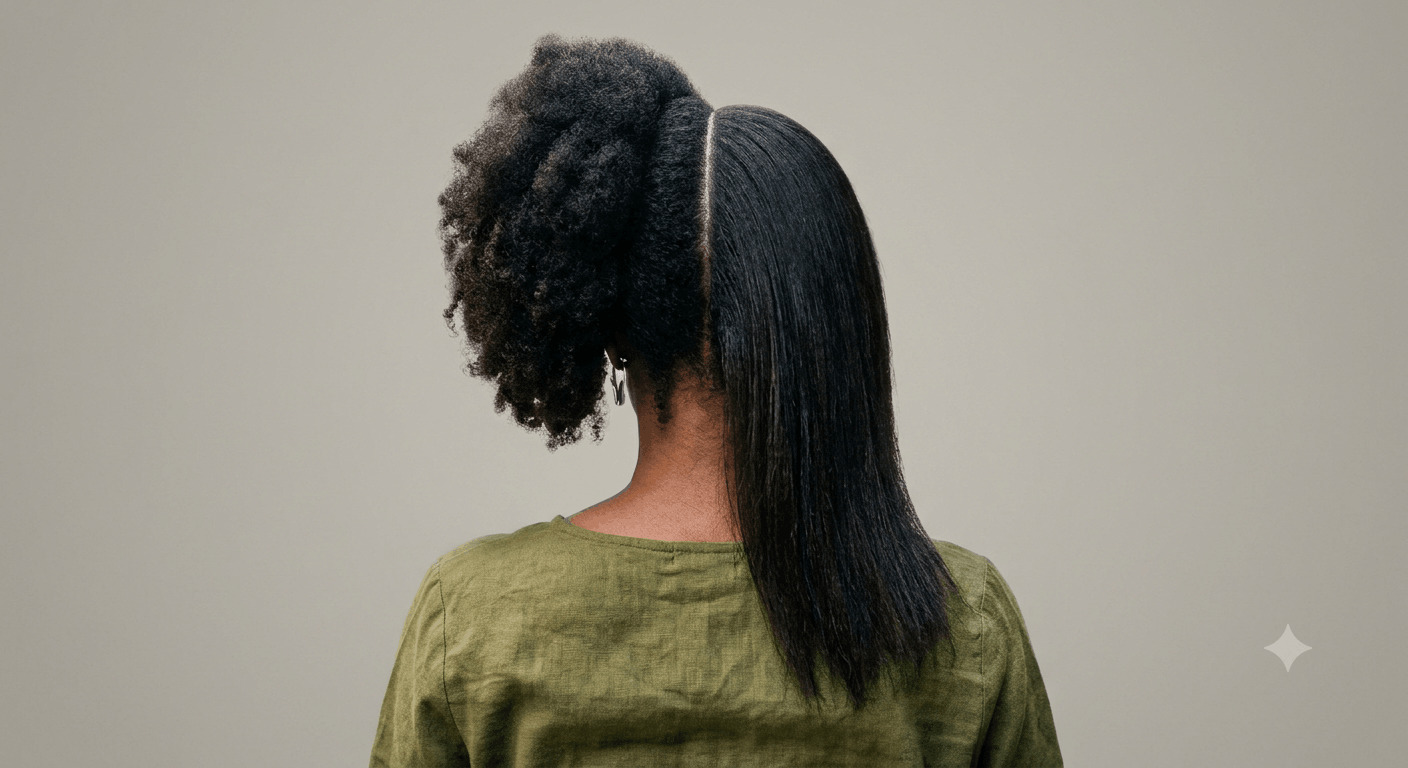
Permanent straightening requires chemicals that permanently change the hair’s internal structure. While the treated hair remains straight, your new hair will always grow back in its natural curl pattern.
TABLE OF CONTENTS
Table of Contents
Can You Permanently Straighten Afro Hair?
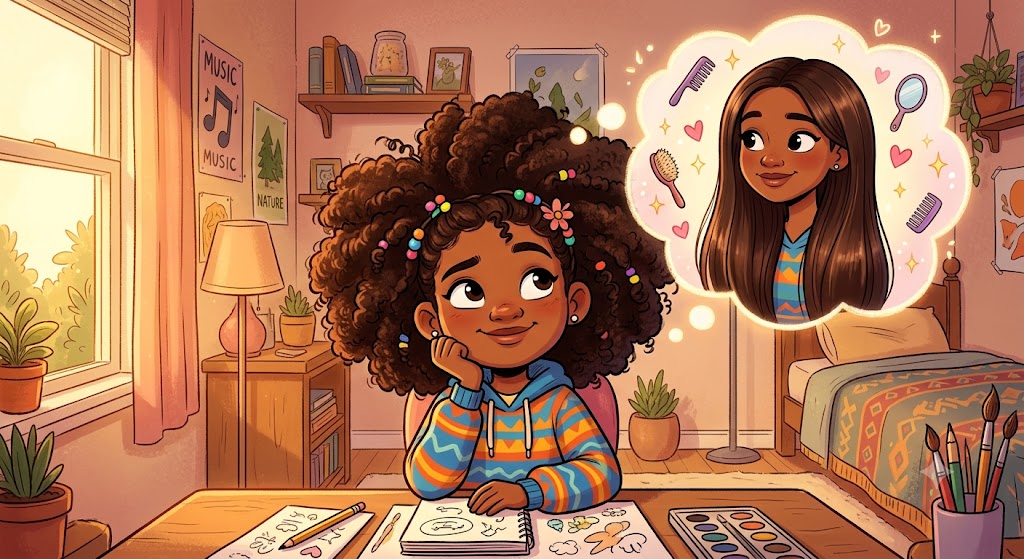
Yes—but only through chemical treatments that alter the hair’s natural protein bonds.
Afro hair gets its curl pattern from disulfide bonds, which are strong chemical bonds inside the hair shaft. Permanent straightening products break these bonds and rearrange them into a straighter shape.
Once this process is complete:
- The treated hair stays straight permanently.
- Washing won’t make it curly again.
- Humidity won’t restore your natural curl pattern.
- Only newly grown hair will remain curly.
This is why people need regular root touch-ups after permanent straightening.
Understanding Afro Hair Types
Different Afro textures respond differently to straightening treatments.
| Hair Type | Description | Straightening Difficulty |
|---|---|---|
| 3C | Tight corkscrew curls | Easy to Moderate |
| 4A | Defined S-shaped coils | Moderate |
| 4B | Z-shaped coils with less definition | Difficult |
| 4C | Very tight coils with maximum shrinkage | Most difficult |
Generally, the tighter the curl pattern, the stronger the straightening treatment required.
Method 1: Chemical Relaxers (Best for Most Afro Hair)
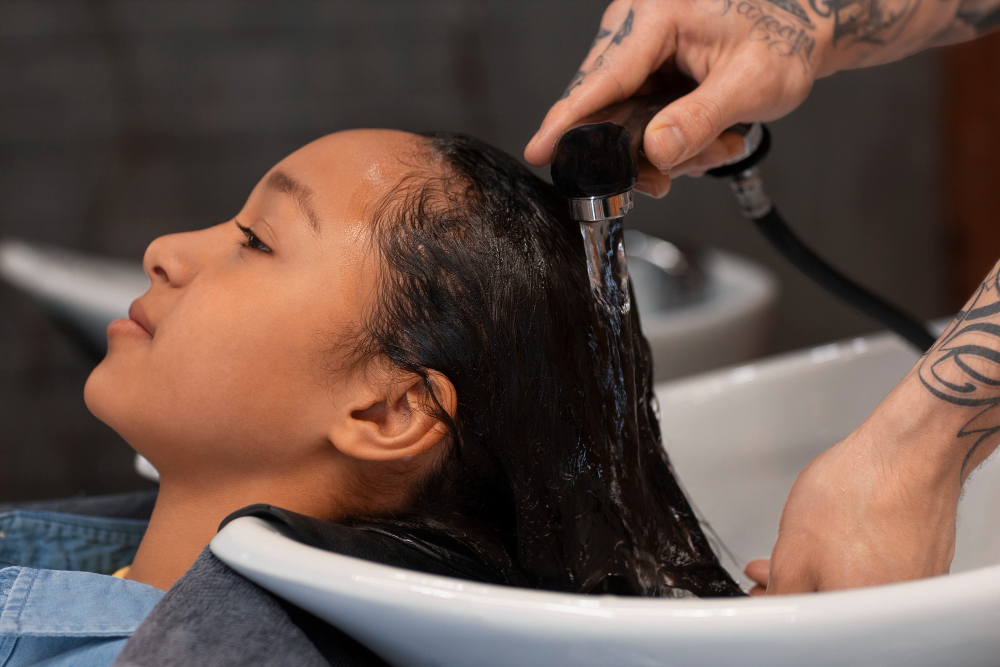
If you ask most professional stylists how to permanently straighten 4C hair, they’ll recommend a chemical relaxer.
This is the most common permanent straightening treatment for Afro-textured hair.
How Chemical Relaxers Work?
Relaxers use highly alkaline chemicals that penetrate deep into the hair shaft. Common active ingredients include:
- Sodium hydroxide (lye relaxers)
- Calcium hydroxide
- Guanidine hydroxide (no-lye relaxers)
These ingredients break the hair’s disulfide bonds before reshaping the hair into a straighter form.
Once completed, the treated hair remains permanently straight.
Pros
- ✔ Works extremely well on tight coils
- ✔ Significantly reduces shrinkage
- ✔ Easier daily styling
- ✔ Cuts blow-drying time
- ✔ Long-lasting results
Cons
- ✖ Can weaken hair
- ✖ Increased risk of breakage
- ✖ Possible scalp irritation
- ✖ Requires professional application for best results
- ✖ Overlapping relaxers can cause severe damage
Best For
- 4A hair
- 4B hair
- 4C hair
- Thick, coarse Afro hair
- Maximum curl reduction
How Long Does It Last?
The straightened hair is permanent.
However:
- New roots grow curly.
- Most people need touch-ups every 6–12 weeks.
Recommended Relaxer
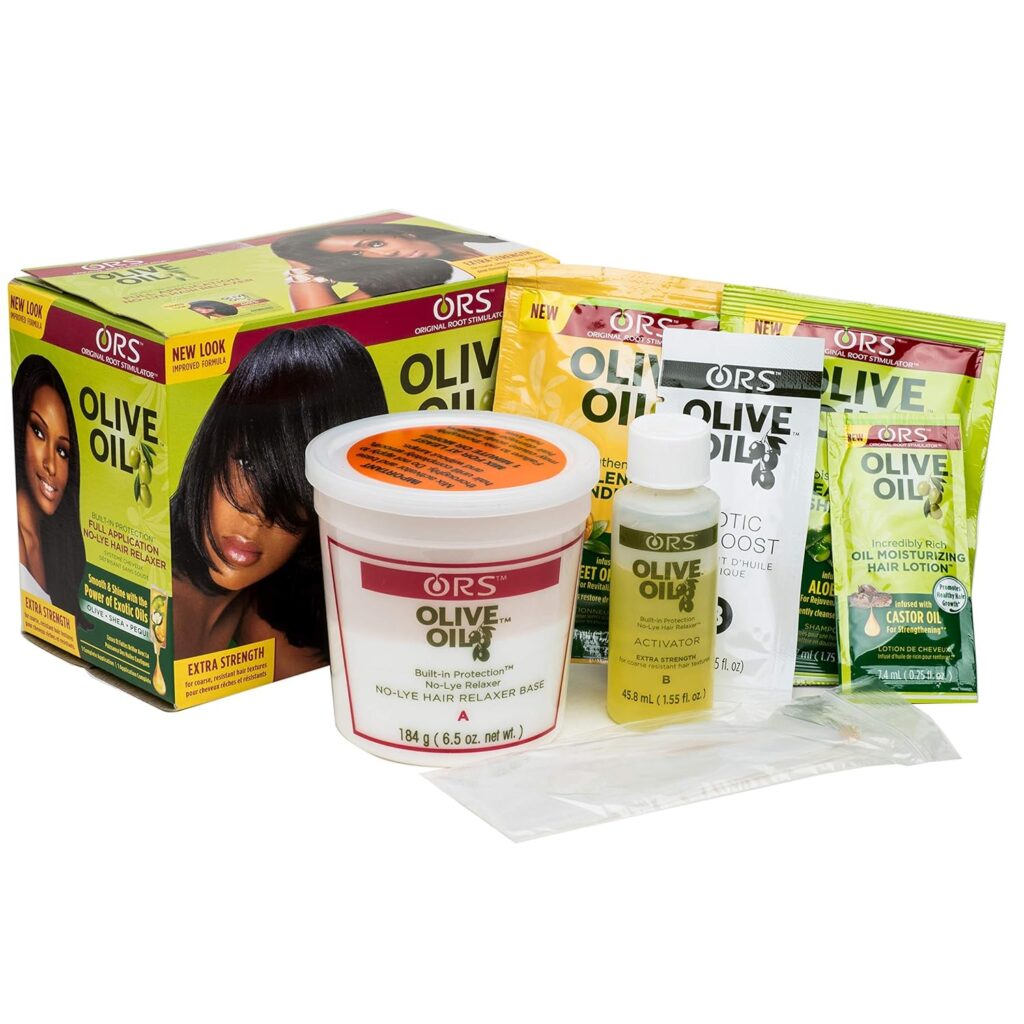
One of the most popular relaxers for Afro-textured hair, the ORS Olive Oil Professional Relaxer System is enriched with olive oil to help replenish moisture during the chemical process.
It effectively straightens tight curls while leaving the hair softer and shinier than many traditional formulas. It’s available in different strengths to suit fine, normal, or coarse hair.
Method 2: Japanese Hair Straightening (Thermal Reconditioning)
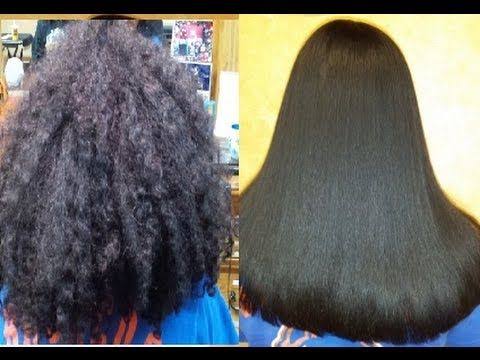
Japanese hair straightening, also called thermal reconditioning, permanently straightens hair using chemicals combined with high heat.
Unlike relaxers, this treatment creates an ultra-sleek, pin-straight finish. The process usually involves:
- Applying a chemical softener
- Rinsing the hair
- Flat ironing each small section
- Applying a neutralizer to lock the new shape
The entire process usually takes 4–8 hours.
Best For
- 3C hair
- 4A hair
- Some 4B hair
Very dense 4C hair may not achieve perfectly straight results without increased damage.
Results
The treated hair remains permanently straight until it grows out or is cut off.
Pros
- Extremely sleek finish
- Minimal daily styling
- Smooth, glossy appearance
- Excellent humidity resistance
Cons
- Expensive
- Time-consuming
- Can severely damage already processed hair
- New roots grow curly
- Not ideal for hair that’s already relaxed or heavily bleached
Method 3: Hair Rebonding
Hair rebonding is another permanent chemical straightening treatment that’s popular in many salons worldwide.
Like relaxers, rebonding changes the hair’s internal protein structure. The stylist:
- Softens the hair using chemicals
- Straightens it with heat
- Locks the new shape using a neutralizer
The end result is very straight hair with a glossy finish.
Best For
- Curly hair
- Looser Afro textures
- Some 4A hair
Results on dense 4C hair are often less predictable.
Pros
- Very straight finish
- Long-lasting
- Easy daily styling
Cons
- Significant chemical exposure
- Hair can become fragile
- Requires touch-ups
- Expensive salon procedure
Method 4: Keratin Treatments (Not Permanent)
One of the biggest myths is that keratin permanently straightens Afro hair.
It doesn’t.
Instead, keratin treatments coat the hair with protein to create smoother, shinier strands.
What Keratin Actually Does
A keratin treatment can:
- Reduce frizz
- Make blow-drying easier
- Loosen curls slightly
- Add shine
- Improve manageability
The effect gradually fades over time.
How Long Does It Last?
Usually:
3–6 months
Depending on washing frequency and aftercare.
Best For
- People who want smoother hair
- Frizz reduction
- Temporary straightening
- Maintaining some natural texture
- Less damage than relaxers
- Smoother hair
- Faster styling
- Temporary commitment
- Not permanent
- Expensive
- Some formulas may contain formaldehyde or formaldehyde-releasing ingredients
- Requires sulfate-free products afterward
Can Natural Remedies Permanently Straighten Afro Hair?
No.
Despite countless videos online, no home remedy can permanently change the curl pattern of Afro hair.
Common DIY ingredients include:
- Coconut milk
- Aloe vera
- Rice water
- Banana
- Honey
- Eggs
- Olive oil
These may temporarily soften the hair or reduce frizz, but they cannot break or rearrange the disulfide bonds responsible for your natural curls.
If a product claims to “permanently straighten hair naturally,” it’s simply not scientifically possible.
Is Permanent Straightening Safe?
Every permanent straightening treatment comes with some level of risk because it intentionally changes the hair’s internal structure.
Possible side effects include:
- Hair breakage
- Dryness
- Split ends
- Scalp burns
- Hair thinning
- Loss of elasticity
- Increased porosity
The risk increases if:
- Hair is already bleached
- Hair is color-treated
- Treatments overlap with previously relaxed hair
- The chemicals are left on too long
- The treatment is done incorrectly at home
For this reason, professional application is usually worth the investment.
How Long Does Permanent Straightening Last?
The straightened portion of your hair remains straight permanently.
However:
- Hair grows about half an inch per month.
- Your natural curls gradually appear at the roots.
- Touch-ups are usually needed every 6–12 weeks for relaxers or every few months for other permanent methods, depending on your hair growth and the technique used.
Many people only treat the new growth to avoid repeatedly processing previously straightened hair.
Which Permanent Straightening Method Is Best?
| Your Goal | Best Option |
|---|---|
| Permanently straighten 4C hair | Chemical relaxer |
| Silky, pin-straight finish | Japanese thermal straightening |
| Straighten looser curls | Hair rebonding |
| Reduce frizz without permanently removing curls | Keratin treatment |
| Avoid chemicals | Silk press or flat ironing (temporary only) |
Frequently Asked Questions
Can 4C hair be permanently straightened?
Yes. Chemical relaxers are generally the most effective option for tightly coiled 4C hair. Results are permanent on the treated hair, but new growth will retain its natural texture.
Does permanent straightening damage Afro hair?
Some damage is unavoidable because the process permanently alters the hair’s internal bonds. However, healthy hair, professional application, and consistent aftercare can help minimize breakage.
Can I return to my natural curls after relaxing my hair?
Not on the treated sections. To fully return to your natural texture, you’ll need to grow out the relaxed hair and gradually trim it off, or cut it all at once during a “big chop.”
Can I color my hair after permanent straightening?
Yes, but it’s best to wait at least two weeks (or follow your stylist’s recommendation) and use bond-building treatments. Combining chemical services too close together increases the risk of damage.
Can I straighten my hair permanently at home?
At-home relaxer kits are available, but applying them incorrectly can cause scalp burns, uneven results, or severe breakage. If it’s your first time, a professional stylist is the safest choice.
Whichever method you choose, remember that permanent straightening is a commitment. The treated hair won’t revert to its natural curl pattern, and healthy maintenance becomes even more important. Investing in nourishing shampoos, deep conditioners, leave-in treatments, and regular trims can help keep your straightened hair looking smooth, shiny, and strong for months to come.
Summary
If your goal is to straighten Afro hair for a long time, chemical relaxers remain the most reliable option, especially for 4B and 4C textures. Japanese thermal straightening and hair rebonding can also deliver long-lasting results, but they may not be suitable for every curl pattern and often come with a higher price tag.
