
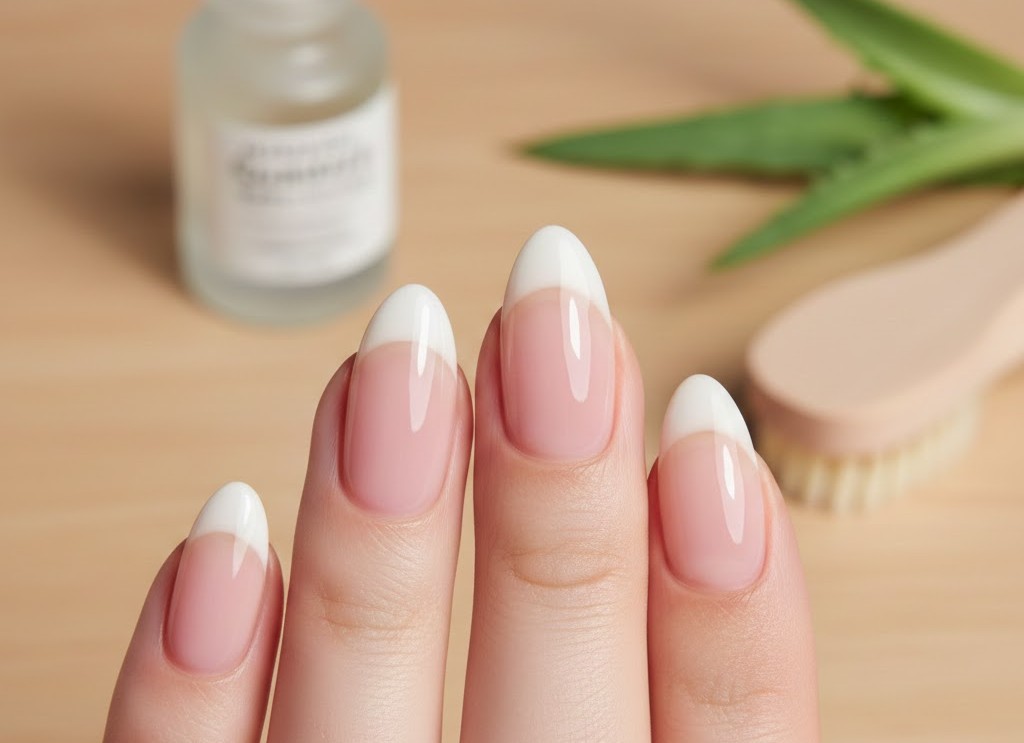
Type of Manicure Least damaging And good for Nail Health
If you love getting your nails done, you’ve probably wondered: Which type of manicure is the least damaging?
The truth is, it’s usually not the polish itself that damages your nails—it’s the removal process, over-filing, and frequent exposure to harsh chemicals. Some manicures are much gentler than others, making them a better choice if your goal is to keep your natural nails healthy, strong, and long.
In this guide, we’ll compare the most popular manicure types, rank them from least to most damaging, explain what makes a manicure nail-friendly, and share tips to keep your nails healthy no matter which manicure you choose.
What Makes a Manicure Damaging?
Before comparing manicure types, it’s important to understand what actually harms nails.
Healthy nails are made of layers of keratin. These layers can become weak when they’re repeatedly exposed to:
- Excessive buffing
- Aggressive filing
- Acetone soaking
- Peeling off polish
- Improper removal techniques
- Overuse of drills
- Picking at lifted polish
Notice that most of these happen during removal—not application.
A well-applied gel manicure removed professionally can actually be less damaging than someone peeling off regular nail polish every few days.
The Least Damaging Types of Manicures (Ranked)
1. Regular Nail Polish Manicure (Least Damaging)
Best for: Healthy natural nails
Damage Level: ⭐☆☆☆☆
If your priority is nail health, a traditional manicure with regular nail polish is still the gold standard.
A basic manicure usually includes:
- Nail shaping
- Cuticle care
- Base coat
- Colored polish
- Top coat
No UV light is required.
Removal is simple with standard nail polish remover, requiring minimal scraping or filing.
Pros
- No UV exposure
- Easy removal
- Doesn’t require aggressive filing
- Affordable
- Lets nails breathe between manicures
Cons
- Chips within 5–7 days
- Less durable
- Needs frequent touch-ups
2. Japanese Manicure
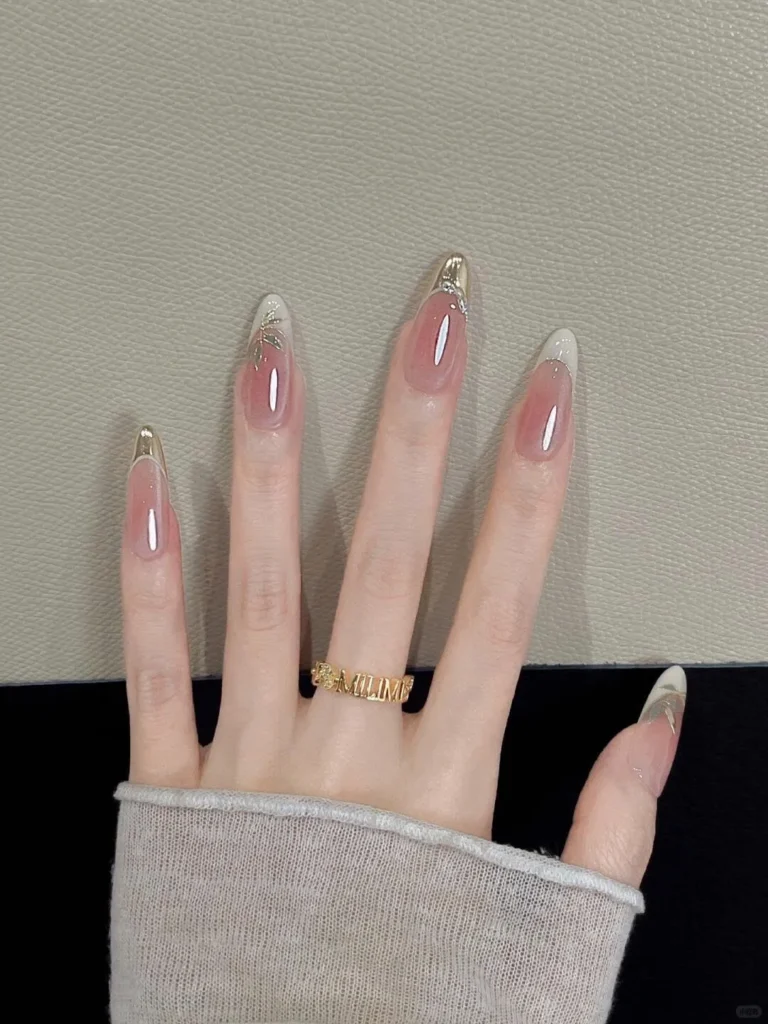
Many nail technicians consider the Japanese manicure one of the healthiest treatments available.
Instead of polish, this manicure buffs natural minerals, beeswax, and nourishing paste directly into the nail.
The result is naturally glossy nails without artificial coatings.
Benefits
- Strengthens weak nails
- Adds natural shine
- Improves flexibility
- No chemicals
- No acetone
- No UV curing
It’s especially popular among people recovering from gel or acrylic damage.
Damage Level: ⭐☆☆☆☆
3. Buff-and-Shine Manicure
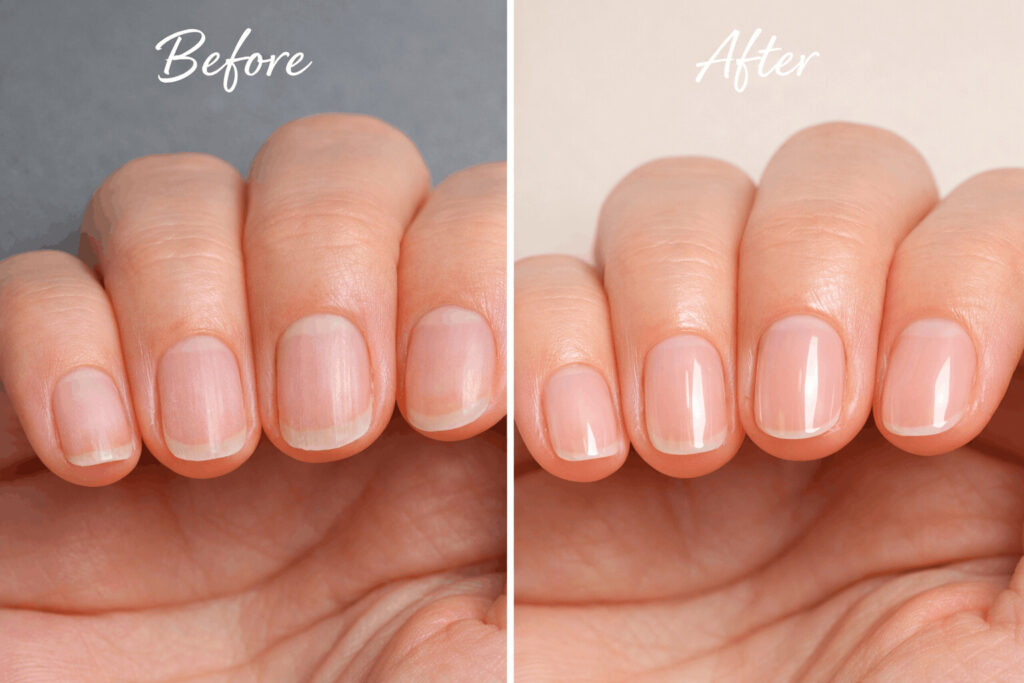
This manicure skips polish altogether.
Instead, the nail surface is gently buffed to create a glossy finish.
When done occasionally, it’s harmless.
However, too much buffing can thin the nail plate, so this shouldn’t become a weekly habit.
Best For
- Men
- Minimalists
- People taking a break from polish
Damage Level: ⭐⭐☆☆☆
4. Gel Polish Manicure
Gel manicures have become one of the most popular salon services because they last two to three weeks without chipping.
Unfortunately, they’re also where many people begin experiencing nail damage.
Here’s the catch:
The gel itself isn’t usually the problem.
Damage happens when:
- Nails are heavily buffed before application
- Gel is peeled off
- Removal is rushed
- Electric drills are overused
When applied and removed correctly, gel manicures are much gentler than most people think.
Tips for Safer Gel Manicures
- Never peel gel polish.
- Soak off properly.
- Moisturize nails afterward.
- Give your nails occasional breaks.
Damage Level: ⭐⭐⭐☆☆
5. Dip Powder Manicure
Dip powder manicures last longer than regular polish and are often stronger than gel.
However, they require:
- Multiple layers
- Buffing
- Filing
- Acetone soaking during removal
Repeated applications without breaks can leave nails dry and brittle.
Another concern is hygiene if salons dip multiple clients’ fingers into the same powder container.
Damage Level: ⭐⭐⭐⭐☆
6. Acrylic Nails (Most Damaging)
If you’re looking strictly at natural nail health, acrylics are generally the harshest option.
Application requires:
- Significant surface filing
- Strong adhesives
- Chemical liquids
- Thick enhancements
Removal often involves long acetone soaks and additional filing.
When repeatedly worn for months, acrylics can leave nails:
- Thin
- Weak
- Brittle
- Sensitive
That doesn’t mean acrylics are “bad.”
Many people wear them for years without major problems—but proper maintenance and professional removal are essential.
Damage Level: ⭐⭐⭐⭐⭐
Comparison Table
| Manicure Type | Lasts | Damage Level | Best For |
|---|---|---|---|
| Regular Polish | 5–7 days | ⭐☆☆☆☆ | Healthiest option |
| Japanese Manicure | 2–3 weeks | ⭐☆☆☆☆ | Strengthening natural nails |
| Buff & Shine | 1–2 weeks | ⭐⭐☆☆☆ | Natural glossy nails |
| Gel Polish | 2–3 weeks | ⭐⭐⭐☆☆ | Long-lasting color |
| Dip Powder | 3–4 weeks | ⭐⭐⭐⭐☆ | Durable manicures |
| Acrylic Nails | 3–4 weeks | ⭐⭐⭐⭐⭐ | Length and dramatic designs |
Is Gel Worse Than Acrylic?
Generally, no.
A properly applied gel manicure is usually less damaging than acrylics because:
- Less filing is required
- The coating is thinner
- Removal is often gentler
- There’s less pressure on the natural nail
However, peeling off gel polish can actually cause more damage than wearing acrylics that are professionally removed.
The biggest factor is always how the manicure is removed.
Are Press-On Nails Better?
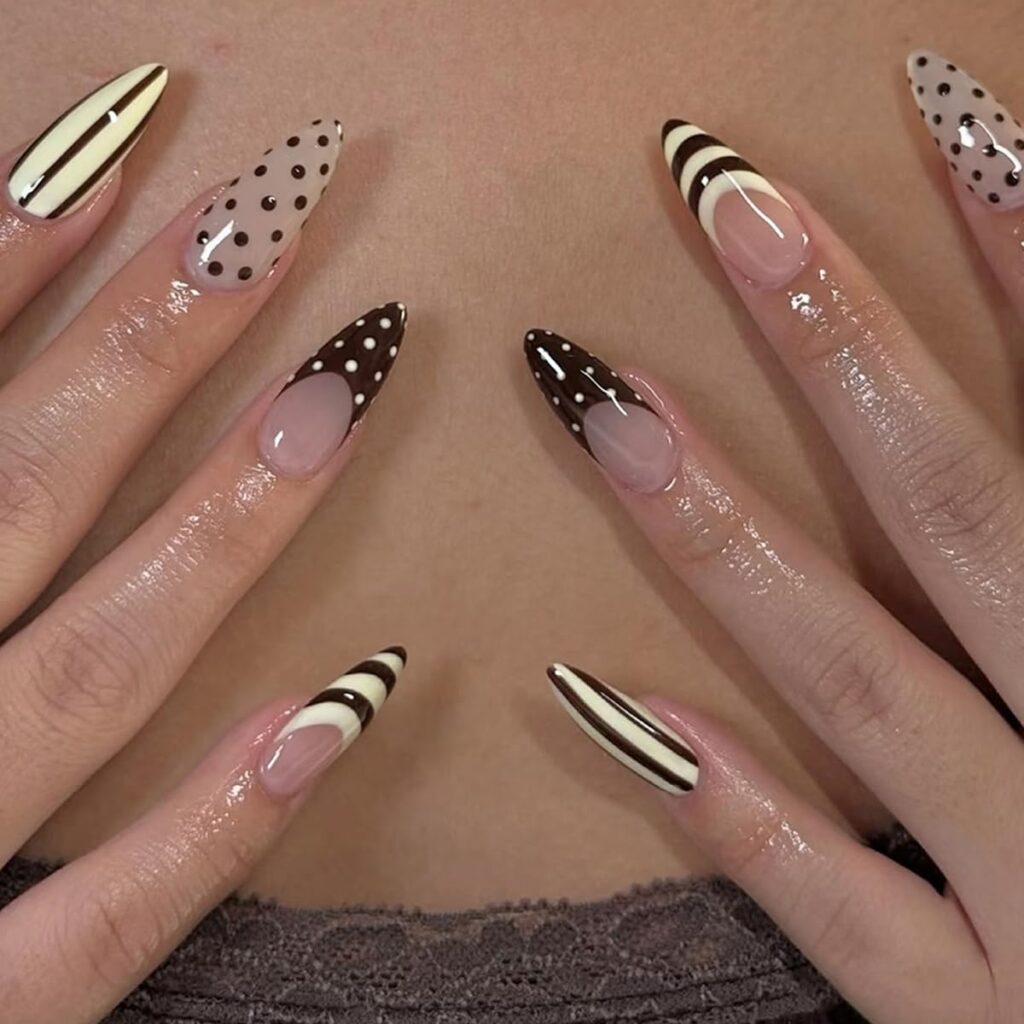
Surprisingly, yes.
Modern press-on nails have improved dramatically.
If applied with gentle adhesive tabs—or nail glue that isn’t ripped off—they can be one of the safest alternatives to salon enhancements.
They also eliminate:
- UV exposure
- Heavy filing
- Acrylic chemicals
- Long acetone soaks
The only caution is to avoid forcefully pulling them off.
Can UV Lamps Damage Nails?
UV lamps used for gel manicures expose your hands to small amounts of ultraviolet light.
Current research suggests the exposure from occasional gel manicures is relatively low, but repeated treatments over many years may contribute to skin aging and cumulative UV exposure.
A simple solution is to:
- Apply broad-spectrum SPF 30+ sunscreen to your hands about 20 minutes before your appointment.
- Wear fingerless UV-protective manicure gloves if you get gel manicures frequently.
These steps protect the skin around your nails without affecting the manicure.
Signs Your Manicure Is Damaging Your Nails
Watch for these warning signs:
- Nails peeling in layers
- White chalky patches
- Increased splitting
- Pain or tenderness
- Excessive thinning
- Nails bending easily
- Persistent dryness
If you notice these issues, take a break from enhancements and focus on hydration and gentle nail care until your nails grow out.
Frequently Asked Questions
What is the healthiest manicure for natural nails?
A regular manicure with traditional nail polish is generally the healthiest option because it requires little to no filing and is easy to remove. A Japanese manicure is another excellent choice if you prefer a polish-free treatment that nourishes the nail.
Which manicure lasts the longest with the least damage?
Gel polish offers one of the best balances between durability and nail health, provided it’s applied and removed correctly. It typically lasts two to three weeks and is usually less damaging than dip powder or acrylics.
Is dip powder healthier than gel?
Not usually. Dip powder often requires more filing and can be tougher to remove, making it slightly more damaging than gel when done repeatedly.
Are acrylic nails permanently damaging?
No. Acrylics don’t permanently damage the nail matrix in most cases, but repeated applications and improper removal can leave the visible nail plate thin and weak until it grows out.
Should I let my nails breathe?
Not exactly. Nails don’t breathe because they’re made of dead keratin cells. However, taking breaks from long-term enhancements can make it easier to moisturize your nails, monitor their condition, and address any damage before your next manicure.
Final Thoughts
If your goal is healthy, strong, natural nails, a traditional regular polish manicure is the least damaging choice. It requires minimal preparation, is easy to remove, and puts the least stress on the nail plate.
If you want longer wear, gel manicures are a solid middle ground—as long as you resist the urge to peel them off and have them removed properly. Dip powder and acrylics can still be great options for durability or added length, but they demand more maintenance and carry a higher risk of weakening your natural nails over time.
At the end of the day, the health of your nails depends less on the manicure you choose and more on how it’s applied, maintained, and removed. Pair any manicure with daily cuticle oil, gentle removal techniques, and occasional breaks, and you’ll give your natural nails the best chance to stay strong and beautiful
